High Protein Meals: Easy, Healthy, and Filling Ideas
High protein meals can help you feel full, support muscle maintenance, and make healthy eating easier throughout the day. The best high protein meals are not just large portions of meat. They combine quality protein with fiber-rich carbohydrates, healthy fats, vegetables, and satisfying flavors.
This guide explains what makes a meal high in protein, how much protein you may need, and the best high protein meal ideas for breakfast, lunch, dinner, weight loss, muscle gain, and meal prep.
Quick Answer
A high protein meal usually provides about 25 to 40 grams of protein, depending on your body size, activity level, and health goals. Good examples include grilled chicken with quinoa and vegetables, salmon with sweet potato, Greek yogurt bowls, turkey chili, tofu stir-fry, eggs with beans, tuna rice bowls, lentil curry, cottage cheese bowls, and lean beef with roasted vegetables.
What Are High Protein Meals?
High protein meals are meals built around a meaningful amount of protein from foods such as poultry, fish, eggs, dairy, lean meat, beans, lentils, tofu, tempeh, soy foods, nuts, seeds, or protein-rich grains.
A balanced high protein meal should include three parts:
- Protein: chicken, fish, eggs, Greek yogurt, cottage cheese, tofu, beans, lentils, or lean meat.
- Fiber-rich carbohydrates: vegetables, fruit, beans, oats, brown rice, quinoa, or whole-grain bread.
- Healthy fats: olive oil, avocado, nuts, seeds, or fatty fish.
This balance matters because protein alone does not make a meal healthy. A grilled chicken breast with vegetables, beans, and olive oil is usually more nutritious than a highly processed protein meal with refined carbs and excess sodium.
Benefits of High Protein Meals
1. They Can Help You Feel Full
Protein is one of the most filling nutrients. A meal with enough protein can help reduce hunger between meals, especially when it also includes fiber from vegetables, legumes, fruit, oats, or whole grains.
2. They Support Muscle Maintenance
Protein provides amino acids that help maintain and repair muscle tissue. This is important for active adults, older adults, and anyone trying to lose weight while preserving lean mass.
3. They Make Weight Management Easier
High protein meals may support weight management by improving fullness and helping preserve muscle during calorie reduction. For best results, choose lean or minimally processed proteins and pair them with vegetables and whole-food carbohydrates.
4. They Can Support Blood Sugar Balance
Meals that combine protein with fiber-rich carbohydrates may help slow digestion and reduce rapid blood sugar spikes compared with meals based mainly on refined carbohydrates.
5. They Make Meal Prep Easier
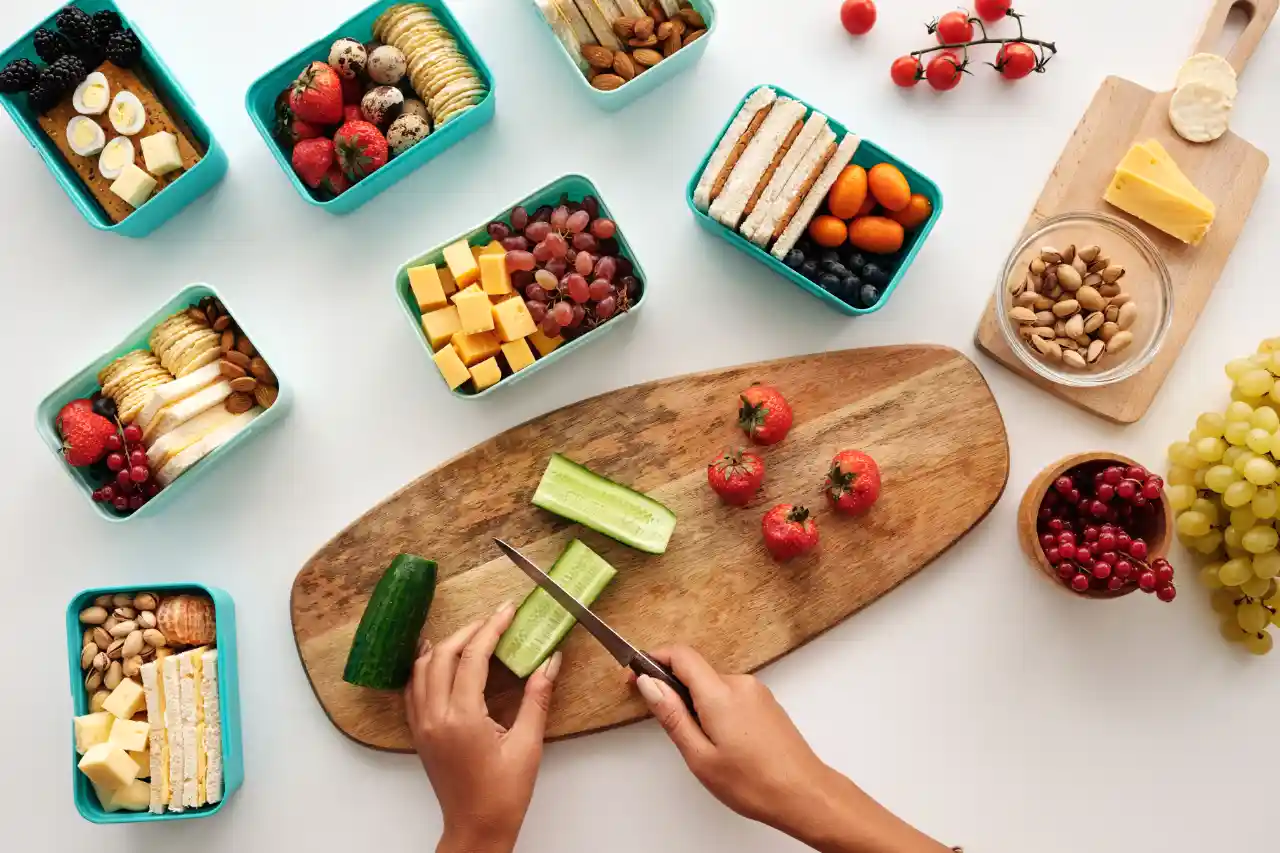
Protein-rich foods such as chicken, turkey, eggs, beans, lentils, tofu, tuna, Greek yogurt, and cottage cheese can be prepared in advance. This makes it easier to build quick meals during busy weeks.
How Much Protein Should a Meal Have?
A practical target for many adults is about 25 to 40 grams of protein per meal. Smaller adults, sedentary people, or those eating smaller meals may need less. Active adults, athletes, and older adults may benefit from higher protein intake, especially when protein is distributed across the day.
Instead of trying to eat all your protein at dinner, aim to include a protein source at breakfast, lunch, and dinner. This can make meals more filling and may support muscle protein synthesis more effectively.
25 Best High Protein Meals
1. Grilled Chicken Quinoa Bowl
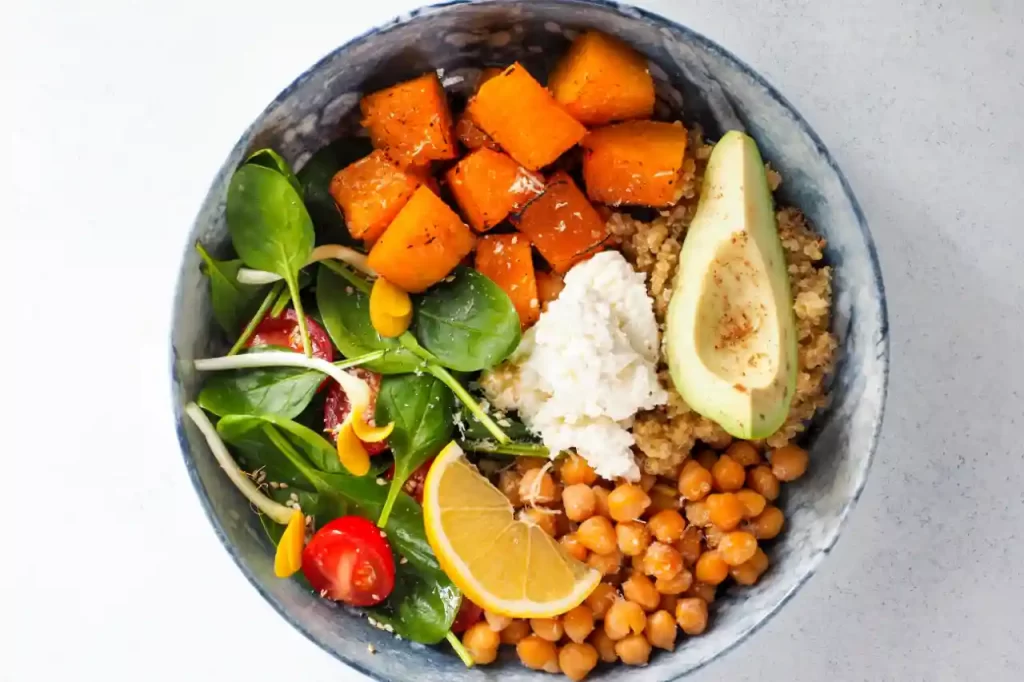
A grilled chicken quinoa bowl is one of the easiest high protein meals. Combine grilled chicken breast, cooked quinoa, cucumber, tomatoes, greens, olive oil, lemon juice, and herbs. This meal provides lean protein, fiber, minerals, and slow-digesting carbohydrates.
2. Salmon with Sweet Potato and Broccoli
Salmon provides high-quality protein and omega-3 fats. Pair it with roasted sweet potato and broccoli for a balanced dinner that is filling, nutrient-dense, and easy to prepare.
3. Turkey Chili with Beans
Turkey chili made with lean ground turkey, kidney beans, black beans, tomatoes, onions, peppers, and spices is high in protein and fiber. It also works well for meal prep because it stores and reheats easily.
4. Greek Yogurt Breakfast Bowl
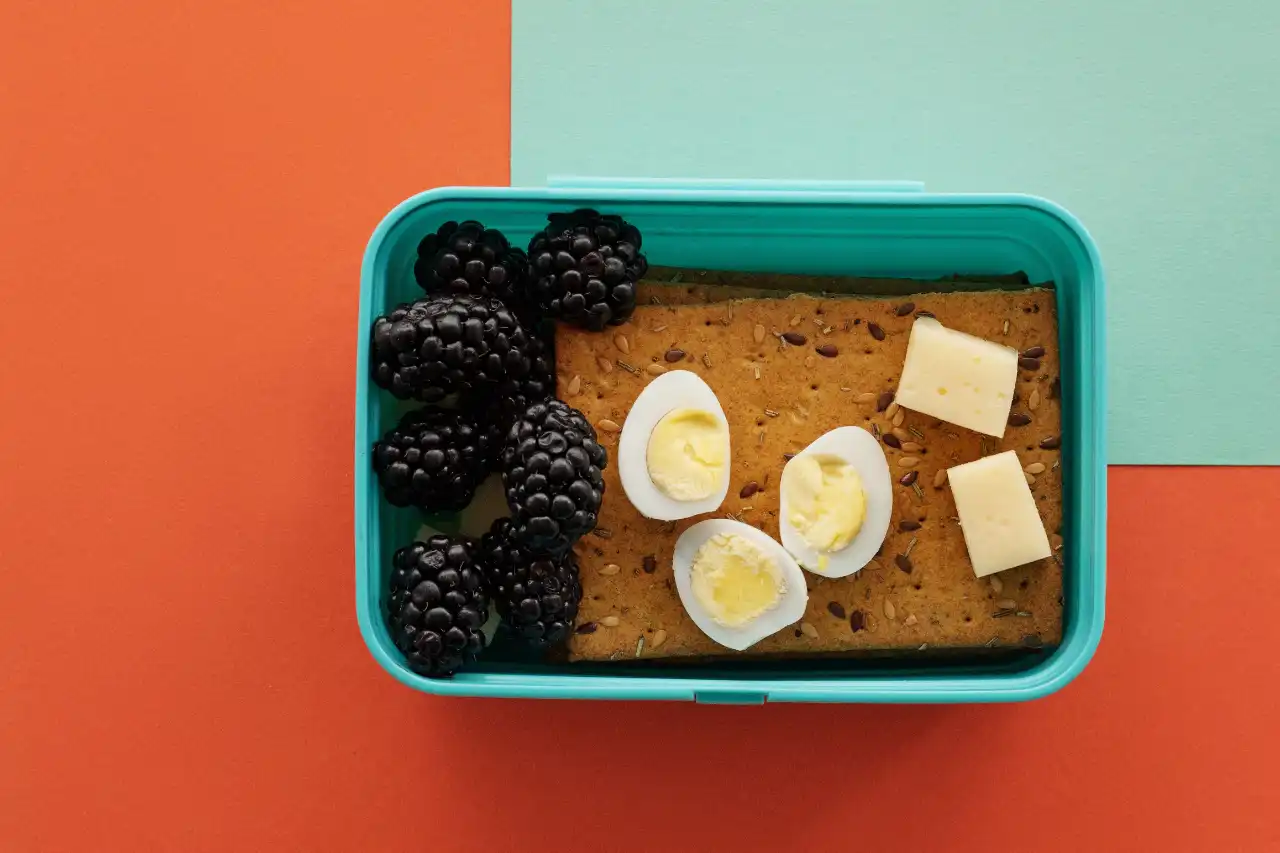
Greek yogurt is a simple high protein breakfast base. Add berries, oats, chia seeds, nuts, and a small amount of honey if desired. This meal is quick, filling, and useful for busy mornings.
5. Eggs with Black Beans and Avocado
Eggs and black beans create a balanced high protein breakfast or brunch. Add avocado, salsa, spinach, and a whole-grain tortilla for extra fiber and healthy fats.
6. Tuna Rice Bowl
A tuna rice bowl can be made with canned tuna, brown rice, cucumber, carrots, avocado, edamame, and a light yogurt or soy-based sauce. It is quick, affordable, and high in protein.
7. Tofu Stir-Fry
Tofu stir-fry is a strong plant-based high protein meal. Use firm tofu, broccoli, bell peppers, carrots, mushrooms, garlic, ginger, and a light sauce. Serve it with brown rice or quinoa.
8. Lentil Curry
Lentil curry provides plant protein, fiber, iron, and slow-digesting carbohydrates. Add vegetables such as spinach, carrots, tomatoes, and cauliflower to make it more filling and nutrient-rich.
9. Chicken Fajita Bowl
A chicken fajita bowl combines sliced chicken breast, peppers, onions, brown rice, beans, salsa, and Greek yogurt instead of sour cream. It is flavorful, high in protein, and easy to customize.
10. Cottage Cheese Power Bowl
Cottage cheese can be used in sweet or savory meals. For a sweet bowl, add berries, walnuts, cinnamon, and oats. For a savory bowl, add tomatoes, cucumber, pepper, herbs, and whole-grain toast.
11. Shrimp Tacos
Shrimp is lean, quick to cook, and high in protein. Serve shrimp in corn tortillas with cabbage, avocado, salsa, lime, and a yogurt-based sauce.
12. Lean Beef and Roasted Vegetables
Lean beef can fit into a high protein eating pattern when portions are moderate and the meal includes vegetables. Pair lean beef with roasted carrots, zucchini, mushrooms, and potatoes.
13. Chicken and Lentil Soup
Chicken and lentil soup is high in protein, warm, filling, and ideal for batch cooking. Add celery, carrots, onions, tomatoes, and herbs for more flavor and nutrients.
14. Tempeh Grain Bowl
Tempeh is a protein-rich fermented soy food. Combine it with farro, quinoa, roasted vegetables, greens, and tahini sauce for a satisfying plant-based meal.
15. Egg White and Vegetable Omelet
An egg white omelet with spinach, mushrooms, onions, and a small amount of cheese can be high in protein and lower in calories. Add whole-grain toast or fruit if you need more energy.
16. Protein Overnight Oats
Overnight oats can become a high protein meal when made with Greek yogurt, milk, soy milk, chia seeds, and protein powder if needed. Add berries or banana for natural sweetness.
17. Chicken Caesar Salad Bowl
A lighter chicken Caesar bowl can be made with grilled chicken, romaine lettuce, chickpeas, whole-grain croutons, parmesan, and a yogurt-based dressing. This gives you protein, crunch, and volume.
18. Sardine Toast
Sardines provide protein, omega-3 fats, calcium if eaten with bones, and vitamin D. Serve sardines on whole-grain toast with lemon, herbs, tomato, and greens.
19. High Protein Pasta
High protein pasta can be made with chickpea pasta, lentil pasta, turkey meat sauce, chicken, tofu, or cottage cheese blended into the sauce. Add vegetables to improve fiber and volume.
20. Burrito Bowl with Beans and Chicken
A burrito bowl with chicken, beans, rice, lettuce, salsa, avocado, and Greek yogurt is filling and balanced. You can reduce calories by using more vegetables and less rice or cheese.
21. Cottage Cheese Pancakes
Cottage cheese pancakes can be made with cottage cheese, eggs, oats, and cinnamon. They provide more protein than regular pancakes and can be served with fruit.
22. Chicken Greek Salad
Chicken Greek salad combines grilled chicken, cucumber, tomato, olives, red onion, feta, chickpeas, and olive oil. It is high in protein and rich in Mediterranean-style ingredients.
23. Edamame Noodle Bowl
Edamame, soba noodles, tofu, vegetables, and sesame dressing can make a balanced plant-based protein meal. Use a moderate amount of noodles and add extra vegetables for more fiber.
24. Turkey Meatballs with Vegetables
Turkey meatballs can be served with tomato sauce, roasted vegetables, and whole-grain pasta or spaghetti squash. This meal is easy to prepare in bulk.
25. Baked Chicken with Potatoes and Greens
Baked chicken with potatoes and greens is simple, affordable, and balanced. Use herbs, garlic, lemon, and olive oil for flavor without relying on heavy sauces.
High Protein Meals by Goal
High Protein Meals for Weight Loss
For weight loss, choose high protein meals that are filling but not overloaded with calories. Good options include grilled chicken salad, turkey chili, tuna bowls, shrimp tacos, tofu stir-fry, egg white omelets, cottage cheese bowls, and lentil soup.
The best approach is to combine lean protein with high-volume foods such as vegetables, broth-based soups, fruit, beans, and whole grains in moderate portions.
High Protein Meals for Muscle Gain
For muscle gain, high protein meals should also provide enough calories and carbohydrates to support training. Strong options include chicken rice bowls, salmon with potatoes, turkey pasta, Greek yogurt oats, lean beef with rice, burrito bowls, and tofu noodle bowls.
High Protein Meals for Busy Weeknights
Quick high protein meals include tuna rice bowls, egg scrambles, Greek yogurt bowls, chicken wraps, shrimp stir-fry, cottage cheese toast, rotisserie chicken salads, and canned bean chili.
Vegetarian High Protein Meals
Vegetarian high protein meals include lentil curry, tofu stir-fry, tempeh bowls, Greek yogurt oats, cottage cheese bowls, egg and bean breakfast plates, chickpea pasta, edamame noodle bowls, and bean burrito bowls.
High Protein Meal Prep Ideas
Meal prep works best when you prepare protein, carbohydrates, and vegetables separately. Cook chicken, turkey, tofu, lentils, eggs, or beans in advance. Then mix and match them with rice, potatoes, quinoa, salads, roasted vegetables, and sauces.
Simple High Protein Meal Formula
Use this formula when building high protein meals:
- Choose one protein: chicken, fish, eggs, Greek yogurt, cottage cheese, tofu, beans, lentils, turkey, lean beef, or seafood.
- Add one fiber-rich carb: oats, rice, quinoa, potatoes, beans, lentils, fruit, or whole-grain bread.
- Add vegetables or fruit: spinach, broccoli, peppers, carrots, berries, tomatoes, cucumber, or mixed greens.
- Add healthy fat: olive oil, avocado, nuts, seeds, tahini, or salmon.
- Flavor it well: herbs, spices, lemon, vinegar, salsa, garlic, ginger, or yogurt-based sauces.
This structure helps you avoid boring meals and makes it easier to stay consistent.
Common Mistakes with High Protein Meals
Eating Protein without Fiber
Protein is filling, but fiber makes meals more balanced. Add vegetables, beans, fruit, oats, or whole grains instead of eating only meat, eggs, or protein shakes.
Relying Too Much on Processed Protein Foods
Protein bars, processed meats, and packaged high protein meals can be convenient, but they may contain added sugars, sodium, saturated fat, or additives. Whole-food protein sources should make up most of your meals.
Ignoring Total Calories
A meal can be high in protein and still very high in calories. Nuts, cheese, oils, sauces, and large portions of rice or pasta can add up quickly. Portion size still matters.
Eating Too Little Carbohydrate
Carbohydrates are not automatically bad. Active people often need carbohydrates for training, energy, and recovery. Choose higher-quality sources such as oats, potatoes, fruit, beans, lentils, quinoa, and whole grains.
FAQs
What meals are high in protein?
High protein meals include chicken bowls, salmon with vegetables, turkey chili, Greek yogurt bowls, tuna rice bowls, tofu stir-fry, lentil curry, cottage cheese bowls, egg and bean plates, shrimp tacos, and lean beef with roasted vegetables.
Is 30 grams of protein per meal good?
For many adults, 30 grams of protein per meal is a useful target. Some people may need less or more depending on body size, activity level, age, total calorie intake, and health goals.
What is the best high protein breakfast?
Good high protein breakfasts include Greek yogurt bowls, eggs with beans, cottage cheese pancakes, protein overnight oats, tofu scramble, egg white omelets, and cottage cheese toast.
Can high protein meals help weight loss?
High protein meals can support weight loss when they help you feel full and fit within your calorie needs. The best meals combine lean protein with vegetables, fiber-rich carbohydrates, and moderate amounts of healthy fat.
Are high protein meals good for muscle gain?
Yes. High protein meals can support muscle repair and growth when combined with resistance training and enough total calories. Protein intake should be spread across the day for best results.
What are cheap high protein meals?
Affordable high protein meals include eggs with beans, lentil soup, tuna rice bowls, Greek yogurt oats, cottage cheese bowls, chicken and rice, bean chili, tofu stir-fry, and canned salmon or sardine toast.
Can you eat high protein meals every day?
Most healthy adults can include protein-rich meals daily as part of a balanced diet. People with kidney disease or specific medical conditions should speak with a healthcare professional before following a high protein diet.
Conclusion
High protein meals can be simple, healthy, and satisfying when they are built with whole-food ingredients. The strongest options include chicken bowls, salmon dinners, turkey chili, Greek yogurt bowls, tofu stir-fry, lentil curry, tuna bowls, eggs with beans, cottage cheese meals, shrimp tacos, and lean beef with vegetables.
For the best results, choose a protein source at each meal, add fiber-rich carbohydrates, include vegetables or fruit, and use healthy fats in moderate amounts. This approach supports fullness, muscle maintenance, meal prep, and long-term healthy eating.
References
- Dietary Guidelines for Americans 2025–2030
- NIH DRI Calculator / Nutrient Recommendations
- NCBI: Protein Intake of Adults
Medical Disclaimer
This article is for informational purposes only and does not provide medical advice. Always speak with a qualified healthcare professional before making major changes to your diet, especially if you have kidney disease, diabetes, heart disease, digestive conditions, are pregnant, or take prescription medications.