The Energy Behind Bananas
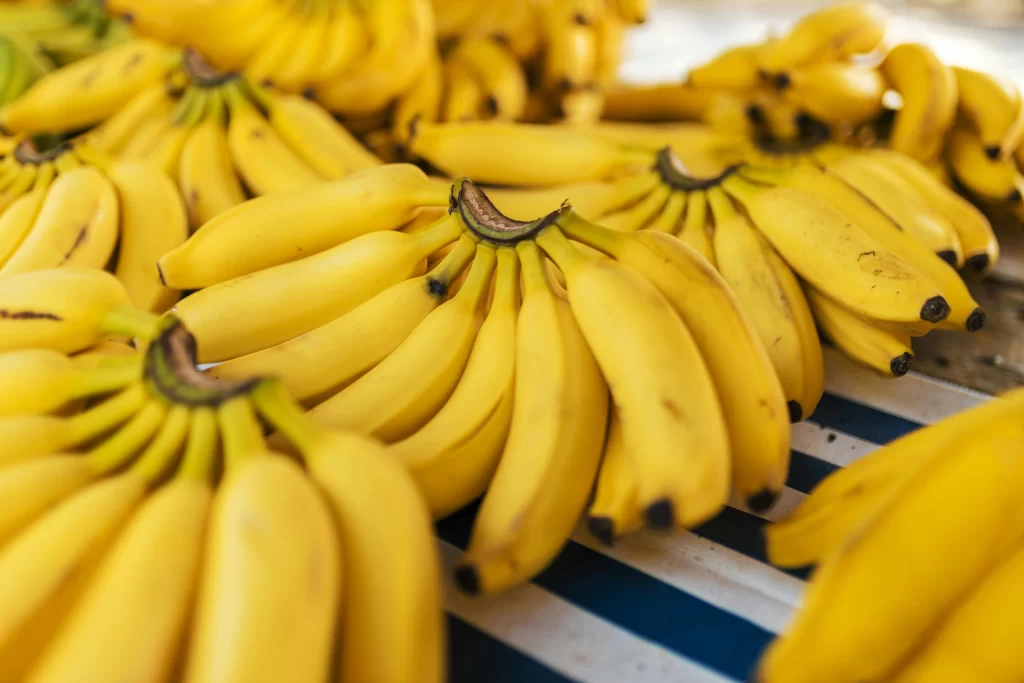
Bananas nutrition facts go beyond quick carbs and potassium. This yellow fruit is among the most widely consumed worldwide and a staple in the American diet. Known for natural sweetness, peel-and-go convenience, and versatility, it’s more than a snack—it’s a nutrient-dense choice. From athletes seeking quick energy to families packing school lunches, this fruit fits all ages and lifestyles.
While many people associate it with potassium, it also provides fiber, vitamin B6, vitamin C, and plant compounds that support heart health, digestive wellness, and energy metabolism. Affordability, year-round availability, and mild taste make it one of the most accessible options.
This guide covers the nutritional profile, top health benefits, types, how it fits into popular diets, recommended servings, potential risks, FAQs, and references. By the end, you’ll see why it deserves a regular place in your routine.
Bananas Nutrition Facts (Per Medium Fruit)
This produce is nutrient-rich, low in fat, and provides quick-digesting carbohydrates with key micronutrients. Below is a summary of USDA FoodData Central values for one medium banana (about 118 grams, raw):
| Nutrient | Amount per medium banana |
|---|---|
| Calories | 105 kcal |
| Carbohydrates | 27 g |
| Dietary Fiber | 3.1 g |
| Sugars (natural) | 14 g |
| Protein | 1.3 g |
| Fat | 0.3 g |
| Vitamin C | 10 mg (14% DV) |
| Vitamin B6 | 0.4 mg (20% DV) |
| Potassium | 422 mg (12% DV) |
| Magnesium | 32 mg (8% DV) |
| Folate | 24 mcg (6% DV) |
| Water content | ~74% |
| %DV Range | Meaning |
|---|---|
| 5% DV or less | Low source of the nutrient |
| 6% – 19% DV | Moderate source |
| 20% DV or more | High or excellent source |
Vitamins
This staple is notable for vitamin B6—supporting brain development, red blood cell production, and neurotransmitter synthesis. It also supplies vitamin C for immune support and collagen formation, plus small amounts of vitamin A precursors for vision.
Minerals
Potassium stands out for regulating blood pressure, nerve signaling, and muscle contraction. It also contributes magnesium for muscle recovery and bone health, alongside manganese and copper in smaller amounts.
Dietary Fiber
A medium serving provides about 3 grams of fiber. Soluble fiber helps moderate blood sugar and LDL cholesterol, while insoluble fiber supports regularity. Different ripeness levels influence resistant starch—a prebiotic substrate for gut microbes.
Antioxidants & Phytochemicals
The fruit contains dopamine, catechins, and other antioxidants that counter free radicals and inflammation. Greener fruit is richer in resistant starch, while ripe stages offer more bioavailable antioxidants—useful across the ripeness spectrum.
Top Health Benefits of Eating Bananas
Benefits extend beyond quick energy. The balance of carbohydrates, fiber, and bioactives makes this option effective for everyday wellness—from cardiovascular support to digestion.
Heart Health
One of the best fruit sources of potassium, helpful for blood pressure regulation and hypertension risk reduction. Together with magnesium and fiber, regular intake supports long-term cardiovascular health.
Digestive Wellness
Resistant starch in slightly green fruit feeds beneficial gut bacteria, producing short-chain fatty acids linked to colon integrity and immune balance. The effect complements the fiber profile for regularity.
Energy and Exercise Support
A favorite of athletes: fast-digesting carbs plus electrolytes like potassium. Research shows this choice can perform comparably to sports drinks for endurance support during prolonged exercise.
Metabolic and Blood Sugar Regulation
Despite natural sugars, fiber slows glucose entry—allowing moderate portions to fit in diabetes-friendly patterns, especially when paired with protein or healthy fats.
Brain and Nervous System Support
Vitamin B6 aids neurotransmitter production (serotonin, dopamine), which influences mood and sleep cycles—another reason this snack works well in balanced meal plans.
Bone and Muscle Recovery
Potassium and magnesium assist muscle contraction and recovery; their presence also contributes to bone health—useful after activity to restore electrolyte balance.
Kidney Health
Population data associate potassium-rich dietary patterns with lower kidney disease risk. Those on potassium-restricted plans, however, should follow tailored medical advice.
Types of Bananas (Categories and Examples)
Global varieties differ in texture, sweetness, and culinary use. In U.S. markets, Cavendish is common, but exploring others expands flavor and nutrition.
Cavendish Bananas
The standard yellow type in supermarkets—sweet, convenient, and versatile for cereal toppings, smoothies, and baking.
Plantains
Starchier and less sweet; typically cooked. A staple in Latin American, Caribbean, and African cuisines—fried, baked, or boiled.
Red Bananas
Reddish-purple skin with a sweeter, softer taste than Cavendish; provides carotenoids that support eye health.
Burro Bananas
Shorter and thicker with a tangy, lemon-like note; eaten raw when ripe or used in cooking when firmer.
Baby Bananas (Niños / Lady Finger)
Smaller and sweeter—snack-friendly for kids; naturally rich in sugars and antioxidants.
Green Bananas
Unripe fruit is rich in resistant starch acting like fiber; commonly boiled as a savory dish in Caribbean and Central American cuisines.
Blue Java (Ice Cream Bananas)
Rare varieties with creamy texture and vanilla-like flavor—popular in tropical regions and among health-conscious consumers.
Bananas in Popular Diets
This fruit fits many patterns—from plant-forward eating to sports nutrition—thanks to fiber, potassium, and natural sugars.
Mediterranean Diet
Though citrus and berries get the spotlight, this option works too: pair slices with nuts, yogurt, and oats for balanced snacks.
Plant-Based and Vegan
A vegan staple: natural sweetener for smoothies, baked goods, and energy bars; also contributes vitamin B6 and fiber. Mashed fruit can replace eggs in baking.
Low-Carb and Keto
Due to carbohydrate load, strict keto typically excludes it; flexible low-carb approaches may allow small portions—especially for active individuals.
Paleo Diet
A whole-food carbohydrate source often used in sauces, marinades, and desserts compatible with Paleo-style eating.
Sports and Active Lifestyles
Pre- or post-workout: quick carbohydrates plus potassium for cramp prevention. Many runners and cyclists use it during long efforts.
How Many Servings per Day?
According to USDA MyPlate guidance, adults should aim for about two cups of fruit per day on a 2,000-calorie diet. One medium banana counts as one serving. Eating one to two servings daily aligns with general recommendations.
Practical portion guide:
- 1 medium banana (about 7–8 inches) = 1 serving
- ½ cup sliced = ½ serving
- 1 small fruit = 1 serving
- 1 frozen banana blended into a smoothie = 1 serving
Enjoy at breakfast, as a snack, or after exercise. For variety, pair with berries or citrus to broaden nutrient intake.
Potential Risks and Considerations
Blood Sugar and Diabetes
Contains natural sugars and carbohydrates that can raise blood glucose. In moderation and paired with protein or fat, it generally has a moderate glycemic impact and can fit diabetes-friendly plans.
Overripe Bananas
As it ripens, resistant starch converts to simpler sugars, which may cause faster glucose spikes. People sensitive to swings may prefer slightly green fruit.
Digestive Sensitivity
Some individuals with irritable bowel syndrome (IBS) find ripe stages trigger bloating due to FODMAP content; greener stages may be better tolerated.
Kidney Conditions
Because potassium is relatively high, people with kidney disease on potassium-restricted diets should follow medical guidance.
Allergies
Allergy is uncommon but possible, especially in individuals with latex sensitivity (latex–fruit syndrome).
Dental Health
Less acidic than many fruits but still contains sugars; frequent snacking without oral hygiene may contribute to plaque and cavities.
FAQs
Are bananas good for weight loss?
Yes. They’re relatively low in calories, high in fiber and water, and provide natural sweetness to replace processed snacks. Fiber supports fullness and weight management.
Do bananas cause constipation?
Ripe fruit usually promotes regularity due to soluble fiber. Unripe fruit is higher in resistant starch—helpful for some, constipating for others. Test tolerance individually.
Can bananas raise blood sugar?
They can, but the rise is moderate with standard portions. Pairing with protein or fat can further stabilize glucose responses.
Are bananas good for athletes?
Yes. They provide quick carbohydrates and potassium for performance and recovery and have been compared to sports drinks in endurance contexts.
Which is healthier: ripe or green bananas?
Both offer benefits. Green fruit is richer in resistant starch for gut health and glycemic control, while ripe fruit provides more antioxidants and easier-to-digest sugars.
Can bananas help with sleep?
Vitamin B6, magnesium, and tryptophan precursors may support serotonin and melatonin production. A small evening serving can be helpful for some people.
Do bananas interact with medications?
Generally safe, but those on heart or kidney medications with potassium limits should confirm appropriate intake with their clinician.
Conclusion
This fruit is more than a convenient snack: it delivers potassium, vitamin B6, fiber, resistant starch, and antioxidants that support long-term health. From endurance fuel to affordable family nutrition, it remains one of the most versatile options available.
For best results, enjoy one to two medium servings per day within a balanced diet, pair with protein or healthy fats for steadier blood sugar, and explore different varieties to maximize nutrition and flavor. With a smart approach to bananas nutrition facts, you get taste, practicality, and science-backed benefits.
Disclaimer: This content is for informational and educational purposes only and is not intended to replace professional medical advice, diagnosis, or treatment. Always seek the guidance of your healthcare provider regarding any medical condition or treatment decisions.
References
- USDA FoodData Central Bananas, raw
- Bananas - The Nutrition Source
- Bananas as an Energy Source
- A Primer on Potassium