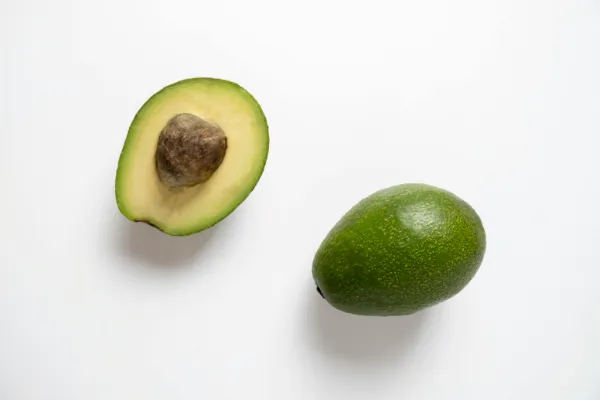
Benefits of Avocado
Known for its creamy texture and subtle flavor, avocado has evolved from a regional crop in Central America into one of the most popular nutrient-rich foods across the globe. Today, it’s widely enjoyed in bowls, smoothies, toast, salads, and even desserts — making it a staple of modern healthy eating.
This fruit stands out for its unique blend of heart-friendly fats, fiber, antioxidants, and essential micronutrients. Whether your goal is improved heart function, better digestion, or balanced nutrition, this versatile fruit offers science-backed wellness benefits worth exploring.
Nutritional Profile of Avocado
Vitamins
This creamy fruit provides a rich supply of Vitamin K, Vitamin C, Vitamin E, folate (B9), and B6. These essential nutrients support immune defense, healthy metabolism, blood clotting, and cell protection from oxidative stress.
Minerals
It is naturally abundant in potassium — even more per serving than a banana — supporting healthy blood pressure and fluid balance. Magnesium is also present, promoting proper nerve function, muscle relaxation, and energy production.
Fiber
Each serving delivers notable dietary fiber that encourages healthy digestion, smoother bowel movements, and prolonged satiety. This makes it a smart choice for weight-control plans and stable blood sugar response.
Antioxidants
This fruit contains lutein and zeaxanthin — powerful carotenoids known for protecting eye tissue and supporting cognitive aging. When paired with its healthy monounsaturated fats, these antioxidants are more easily absorbed.
Top Health Benefits of Eating Avocado
1. Supports Heart Health
Naturally high in monounsaturated fats, especially oleic acid, this fruit helps improve cholesterol balance by reducing harmful LDL while supporting beneficial HDL levels. Regular intake is linked to better cardiovascular markers.
2. Improves Nutrient Absorption
The healthy fats in this green fruit significantly enhance the absorption of fat-soluble vitamins (A, D, E, K) and phytonutrients from other foods — especially leafy greens and colorful vegetables.
3. Enhances Fullness and Weight Control
Thanks to its fiber and healthy fats, this superfood promotes long-lasting fullness and helps regulate appetite naturally, making it ideal for balanced-calorie diets and stable energy levels.
4. Supports Skin and Hair Wellness
Vitamin E, folate, and natural oils in this fruit nourish skin cells, support collagen formation, and help maintain hair strength and shine. Its antioxidants also combat free-radical damage.
5. Helps Brain and Eye Function
Lutein and plant-based fats contribute to improved cognitive performance, sustained mental sharpness, and visual protection with aging.
Types of Avocado (Categories & Examples)
Hass Avocado
Small, bumpy skin and rich flavor — the most popular variety worldwide and available year-round.
Fuerte Avocado
Smooth green skin and lighter flavor, commonly used in dips and spreads.
Reed & Bacon Varieties
Rounder, milder taste, often harvested in warmer months and enjoyed sliced.
Avocado in Popular Diets
Mediterranean Diet
Fits perfectly in plant-forward, heart-focused eating — replacing butter or mayonnaise with wholesome fats.
Keto & Low-Carb Plans
Low in carbohydrates and rich in healthy fats, this fruit supports ketosis and steady energy release.
Vegan & Vegetarian Eating
Acts as a natural plant-based fat source and provides creaminess in dairy-free recipes and spreads.
How Many Servings per Day?
A balanced serving size is about **half a fruit per day** (around 100g). This portion offers healthy fats, fiber, and key nutrients without excess calories — supporting digestive balance, heart wellness, and nutrient absorption.
Potential Risks & Considerations
Whole Fruit vs. Prepared Products
Fresh fruit offers higher fiber and fewer additives than packaged guacamole, which may include sodium and preservatives.
Energy Density
Although nutrient-dense, it is calorie-rich — mindful portions are beneficial for weight control goals.
Allergies & Sensitivities
Latex-related cross-reaction may cause rare sensitivity. Seek medical guidance if itching, swelling, or reactions occur.
Blood Sugar Balance
This food supports stable sugar response but portion awareness remains important in calorie-restricted diets.
FAQs
Is it healthy to eat this fruit daily?
Yes — moderate daily intake can support heart, digestive, and metabolic health.
Does this food help with weight management?
It promotes satiety and balanced energy levels, supporting mindful eating and weight control goals.
Can it replace butter?
Yes — mashed fruit works as a creamy, lower-saturated-fat alternative in spreads and certain recipes.
Conclusion
Creamy, nourishing, and loaded with health-supportive nutrients, this fruit remains one of the most valuable additions to modern diets. Its fiber, antioxidants, and plant-based fats can promote long-term wellness when consumed in balanced portions.
*Disclaimer: This content is for informational purposes only and should not replace professional medical advice, diagnosis, or treatment.*