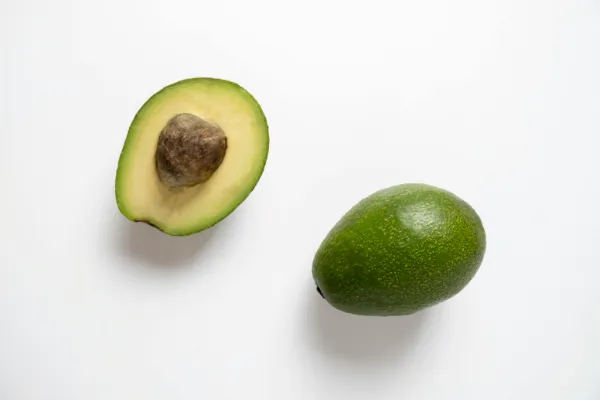
The Power of Kiwi
This tropical green fruit may look simple from the outside, but it delivers remarkable nutrition in every bite. Known for its bright flesh, little seeds, and refreshing tangy-sweet taste, it has become a favorite in healthy kitchens worldwide. Originally cultivated in China and later grown widely in New Zealand, it earned recognition as a nutrient-packed superfruit thanks to its impressive vitamin C levels, natural fiber, and beneficial plant compounds.
Whether added to breakfast bowls, tossed into salads, or blended into smoothies, this fruit supports immune strength, digestive comfort, and skin vitality. It is a flavorful and easy way to upgrade daily nutrition.
Nutritional Profile of Kiwi Fruit
| Nutrient (per 100g) | Amount |
|---|---|
| Calories | 41 kcal |
| Vitamin C | 92.7 mg (103% DV) |
| Vitamin K | 40.3 µg (34% DV) |
| Fiber | 2.1 g |
| Potassium | 312 mg |
| Folate | 25 µg |
Vitamins
This fruit is one of the richest natural sources of vitamin C, helping support immune defense, healthy collagen formation, and normal wound healing. It also provides vitamin K along with smaller amounts of vitamin E and folate.
Minerals
It contains potassium for nerve and heart rhythm health, plus magnesium and calcium that aid muscle and bone function.
Fiber
With natural fiber, it promotes fullness and supports smoother digestion, helping maintain regular bowel function.
Antioxidants
Rich in polyphenols and carotenoids, this fruit provides strong antioxidant activity to help protect cells from oxidative stress and inflammation.
Top Health Benefits of Eating Kiwi Fruit
1. Strengthens Immune Function
The exceptionally high vitamin C content helps reinforce immune defenses and may shorten common cold symptoms.
2. Supports Healthy Digestion
This fruit contains actinidin, a natural enzyme that helps break down protein and supports smooth digestion after meals.
3. Promotes Heart Health
Potassium, antioxidants, and fiber work together to support heart function, healthy blood pressure, and balanced cholesterol levels.
4. Helps Maintain Radiant Skin
Vitamin C and vitamin E contribute to collagen production and protect skin from premature aging and environmental stress.
5. May Improve Sleep Quality
Research suggests that consuming this fruit before bedtime may support better sleep due to its natural serotonin and antioxidant compounds.
Types of Kiwi Fruit (Categories & Examples)
Green Variety (Hayward)
The most common type, offering a tangy-sweet taste and bright green interior.
Golden Variety
Sweeter, smoother, and lower in acidity with golden flesh and thin skin.
Baby Kiwi (Hardy Kiwi)
Bite-size and smooth-skinned, eaten whole as a snack or added to fruit bowls.
Kiwi Fruit in Popular Diets
Mediterranean Diet
Fits perfectly thanks to its antioxidant content and natural fiber.
Low-Calorie Diets
Low in calories and naturally sweet, making it ideal for weight-conscious meals.
Plant-Based & Vegan Diets
Provides plant-based vitamin C, fiber, and beneficial phytonutrients.
How Many Servings per Day?
One to two fruits per day are typically enough to meet daily vitamin C needs and support digestive and immune health.
Potential Risks & Considerations
Allergies
Some people may experience tingling or irritation, especially those with latex sensitivity.
Digestive Sensitivity
In high amounts, natural acids may cause discomfort for sensitive stomachs.
Blood Thinning Medications
Because it contains vitamin K, people on blood thinners should consume it in moderate amounts.
FAQs
Is this fruit high in sugar?
It contains natural sugars but has a low glycemic index, making it suitable for balanced diets.
Can I eat the skin?
Yes — the skin is edible and rich in fiber, though many prefer to peel it for texture.
Does it help with constipation?
Yes. Its fiber and natural enzyme actinidin support digestive comfort and regularity.
Conclusion
This refreshing tropical fruit stands out as a powerful wellness booster, offering immune-supporting vitamin C, gut-friendly enzymes, and antioxidant protection. Adding it to your daily routine is a simple and delicious way to nourish your body, whether enjoyed on its own or blended into healthy meals.
*Disclaimer: This content is for informational purposes only and should not replace professional medical advice, diagnosis, or treatment.*
References
- USDA FoodData Central – Kiwifruit
- Effect of kiwifruit consumption on sleep quality
- Vitamin C - The Nutrition Source