Vitamin C 101: Benefits, Foods, and How to Boost Your Immunity
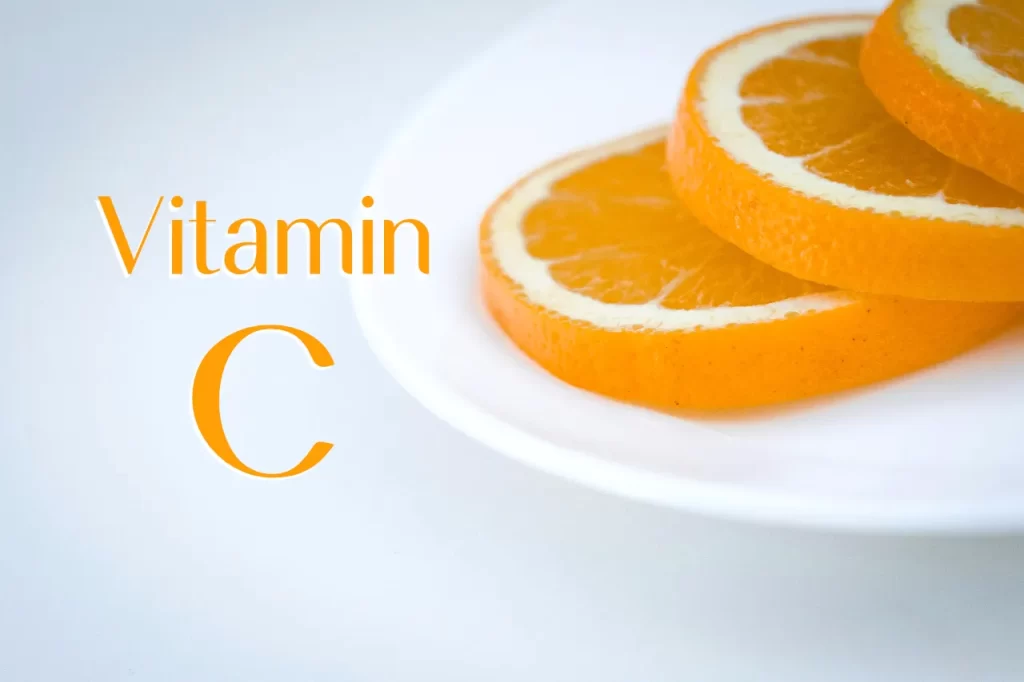
Vitamin C (ascorbic acid) is one of the most recognized nutrients in American kitchens and clinics alike. As a water-soluble antioxidant, vitamin c supports immune defenses, collagen formation for skin and joints, and the absorption of non-heme iron from plants. Because the body can’t store large amounts, steady daily intake matters.
From citrus fruit and berries to peppers and cruciferous vegetables, Americans have many convenient ways to reach recommended intakes. This pillar guide covers the full nutrition profile, science-backed benefits, top foods, how this vitamin fits into popular diets, daily targets, deficiency symptoms, safety notes, practical FAQs, and references.
Vitamin C Nutrition Facts (At a Glance)
Ascorbic acid acts as a potent electron donor, helping neutralize free radicals and regenerate other antioxidants (like vitamin E). It’s also a cofactor for enzymes that stabilize collagen and synthesize certain neurotransmitters.
| Key Functions | Why They Matter |
|---|---|
| Antioxidant action | Helps protect cells from oxidative stress and supports immune function. |
| Collagen synthesis | Essential for skin firmness, wound healing, cartilage, and blood vessels. |
| Iron absorption | Increases absorption of non-heme iron from plant foods. |
| Neurotransmitter support | Involved in synthesis of norepinephrine and other compounds. |
Because it’s water-soluble, excess intake is excreted rather than stored, which is why consistent intake from foods (and supplements when appropriate) is important.
Top Health Benefits of Vitamin C
Decades of research link adequate intake with better immune resilience, healthier skin, and lower risk of deficiency-related complications. Here are the headline benefits most relevant to U.S. readers.
Immune Support (Year-Round)
While no single nutrient “prevents” colds, this vitamin supports normal immune cell function and may modestly reduce cold duration in some people when intake is sufficient.
Skin, Joints, and Wound Healing
Collagen formation depends on ascorbic acid. Adequate intake supports skin elasticity, gum health, cartilage integrity, and timely wound repair.
Antioxidant Defense & Iron Uptake
As an antioxidant, it helps neutralize free radicals and regenerates vitamin E. It also enhances absorption of iron from plant foods—useful for people who eat little red meat.
Heart & Metabolic Health (Supportive)
A diet rich in fruits and vegetables high in this nutrient is associated with healthier blood vessels. While causality is complex, overall dietary patterns that include these foods support cardiovascular wellness.
Top Foods High in Vitamin C
Many affordable, widely available foods help Americans meet daily targets. Cooking methods matter—light steaming or raw intake generally preserves more of this heat-sensitive nutrient.
| Food (Typical Serving) | Approx. Vitamin C |
|---|---|
| Orange (1 medium) | ~70 mg |
| Orange juice (3/4 cup / 6 fl oz) | ~60–70 mg |
| Strawberries (1 cup, halves) | ~85 mg |
| Kiwi (1 medium) | ~60 mg |
| Red bell pepper (1/2 cup, raw) | ~95 mg |
| Broccoli (1/2 cup, cooked) | ~50 mg |
| Brussels sprouts (1/2 cup, cooked) | ~50 mg |
| Pineapple (1 cup, chunks) | ~80 mg |
| Grapefruit (1/2 fruit) | ~40–45 mg |
| Tomato (1 medium) | ~15–20 mg |
Practical tip: pair plant iron sources (beans, lentils, spinach) with a citrus or pepper source in the same meal to boost iron absorption.
Vitamin C in Popular Diets
Mediterranean Diet
Naturally high in produce, the Mediterranean pattern supplies abundant amounts via citrus, tomatoes, peppers, and greens.
Plant-Based & Vegan
Fruits and vegetables make it easy to reach targets, while also aiding iron absorption from legumes and grains.
Low-Carb or Keto
Choose lower-sugar produce rich in this nutrient like bell peppers, broccoli, and leafy greens.
Athletic/Active Lifestyles
Consistent intake supports collagen (tendons/ligaments) and helps counter training-related oxidative stress.
How Much Vitamin C Do You Need?
U.S. recommendations (NIH) vary by age and life stage. Smokers require ~35 mg/day more than nonsmokers due to higher oxidative turnover.
| Group | RDA (mg/day) |
|---|---|
| Children 4–8 | 25 |
| Children 9–13 | 45 |
| Teens 14–18 | 75 (M) / 65 (F) |
| Adults 19+ | 90 (M) / 75 (F) |
| Pregnancy | 85 |
| Lactation | 120 |
| Smokers (add to above) | +35 |
Many people meet needs through food alone. Supplements can help when intake is low, during times of higher demand, or if advised by a clinician.
Vitamin C Deficiency: What to Watch For
Severe deficiency (scurvy) is rare in the U.S., but low-grade insufficiency can still occur with limited produce intake or certain health conditions. Early signs may include fatigue, easy bruising, gum bleeding, slow wound healing, and dry, rough skin. Persistently inadequate intake can impair collagen and iron status.
Potential Risks & Interactions
Upper Limit & Tolerance
The tolerable upper intake level (UL) for adults is 2,000 mg/day. Excess supplemental intake may cause GI upset (nausea, cramps, diarrhea) and can skew certain lab tests.
Kidney Concerns
People with a history of kidney stones should be cautious with high-dose supplements. Food-first strategies are generally well tolerated.
Medication Interactions
High doses can interact with chemotherapy agents or anticoagulants; always discuss supplemental plans with a healthcare professional.
FAQs
Does Vitamin C prevent colds?
It doesn’t prevent all infections, but consistent intake supports immune function and may shorten cold duration for some.
Is food better than supplements?
For most Americans, yes. Foods provide fiber, fluids, and phytonutrients alongside this nutrient. Supplements are useful if intake is low or needs are elevated.
What cooking method preserves Vitamin C?
Quick methods—raw, microwaving, or light steaming—help retain more than prolonged boiling.
Can I take Vitamin C every day?
Daily intake is recommended because the body doesn’t store large amounts. Most people meet needs with food; supplements can bridge gaps as needed.
What about “liposomal” Vitamin C?
Some prefer liposomal forms, but for many, regular forms meet needs effectively when taken consistently and with food if sensitive.
Conclusion
Prioritizing fruits and vegetables rich in this vitamin is a simple, affordable way to support immunity, skin, and overall well-being. Build a routine: add peppers to omelets, choose citrus or berries for snacks, and steam broccoli or Brussels sprouts at dinner.
Aim to meet daily needs with food first, then consider supplements when advised. Consistency beats megadoses—what matters most is getting enough every day.
Disclaimer: This content is for informational and educational purposes only and is not intended to replace professional medical advice, diagnosis, or treatment. Always seek the guidance of your healthcare provider regarding any medical condition or treatment decisions.
References
- Vitamin C - Consumer
- Vitamin C - Health Professional Fact Sheet
- Vitamin C - The Nutrition Source
- Vitamin C - Mayo Clinic