Why Vitamin B12 Is Essential for Your Health
One of the most important micronutrients for human health is this remarkable B-complex vitamin. It plays a fundamental role in the production of red blood cells, nervous system protection, memory support, and the creation of genetic material. Although the body needs it in very small daily amounts, not getting enough can lead to significant health problems.
Many adults — especially seniors, strict vegetarians, vegans, and people with digestive conditions — may unknowingly develop low levels over time. This is because absorption depends on stomach acid and a special protein called intrinsic factor. As these decline with age or digestive disease, it becomes harder to maintain healthy levels, even if the diet looks balanced.
This expanded guide will help you fully understand the importance of this nutrient, how it works in the body, the best available food and supplement sources, warning signs of deficiency, and how to meet your needs safely and effectively.
Nutritional Profile & Biological Role
What Makes It Unique
Unlike other water-soluble vitamins, this nutrient contains the trace mineral cobalt and can be stored in the liver for years. It participates in several enzyme reactions vital for energy metabolism, neurological signaling, and red blood cell formation. Its active forms, such as methylcobalamin and adenosylcobalamin, are directly used by the body.
Absorption in the Body
Absorption is a multi-step process. It begins in the stomach, where gastric acid separates the nutrient from food proteins. It then binds to intrinsic factor, which allows its absorption in the small intestine. People with low stomach acid, autoimmune gastritis, or digestive surgeries (like bariatric operations) may struggle to absorb enough from food alone.
Daily Recommended Intake
Most adults require around 2.4 micrograms per day. Pregnant individuals need approximately 2.6 mcg, while those who breastfeed require 2.8 mcg. Older adults often need fortified foods or supplements because natural absorption decreases with age.
Where It Comes From
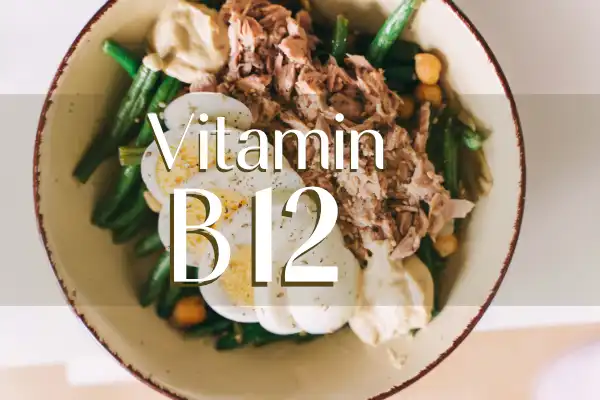
This nutrient is naturally found in foods of animal origin. Reliable sources include:
- Shellfish, especially clams
- Organ meats such as beef liver
- Fatty fish like salmon and sardines
- Eggs, yogurt, cheese, and milk
- Fortified cereals, plant milks, and nutritional yeast for plant-based eaters
Top Health Benefits You Should Know
Healthy Blood Cell Production
It is required for the formation of red blood cells. Without enough, cells become large and inefficient, leading to a form of anemia that causes fatigue, weakness, shortness of breath, and pale skin.
Brain & Memory Support
This nutrient helps maintain the myelin sheath — the protective covering around nerves. Low levels are associated with forgetfulness, tingling sensations, mood changes, and difficulty concentrating.
Energy & Metabolism
It plays a role in converting nutrients from food into usable cellular energy. People with low levels often report a noticeable improvement in vitality after correcting deficiency.
Heart & Homocysteine Regulation
This essential nutrient, along with folate and vitamin B6, helps regulate homocysteine — high levels of which are associated with cardiovascular concerns.
Pregnancy & Infant Development
Depletion during pregnancy increases the risk of developmental problems. Expecting mothers are encouraged to monitor levels and use supplements if recommended by healthcare professionals.
Common Forms & Supplement Options
Methylcobalamin
The biologically active form often preferred for nervous-system support.
Cyanocobalamin
A stable, commonly used supplemental form that the body converts into active versions.
Adenosylcobalamin & Hydroxocobalamin
Often used medically, particularly for people with significant malabsorption.
Supplement formats include sublingual tablets, gummies, capsules, sprays, and physician-administered injections.
How It Fits Into Popular Diet Patterns
Vegan & Vegetarian Eating
Plant-based diets require reliable fortified foods or supplements. Nutritional yeast and fortified almond or soy milk are excellent daily sources for those avoiding animal products.
Keto, Paleo & High-Protein Diets
These eating patterns naturally include meat, eggs, and fish, making daily intake easier to achieve.
Mediterranean Lifestyle
Fish, dairy, and eggs in this eating pattern help maintain healthy levels while supporting brain and heart health.
How Much You Need & Smart Ways to Get It
Most people meet their needs through balanced meals. However, individuals who are older than 50, follow a vegan lifestyle, take acid-reducing medications, or have digestive issues often benefit from fortified foods or supplements.
A regular intake is more effective than occasional very high doses—consistency helps maintain optimal blood levels.
Risks, Deficiency Signs, and Safety
Symptoms of Low Levels
- Chronic fatigue and weakness
- Tingling or numbness in hands and feet
- Memory lapses or difficulty thinking clearly
- Low mood or increased irritability
- Pale skin or shortness of breath
Who Is Most at Risk?
- People over age 50
- Vegans and vegetarians
- Individuals with digestive disorders
- Those who had weight-loss or stomach surgery
- People taking metformin or stomach-acid medications
Is Too Much Harmful?
There is no evidence of harm from high dietary intake. Excess is generally excreted in urine. Nevertheless, very high medical doses — particularly injections — should be monitored by a clinician.
Frequently Asked Questions
Is deficiency reversible?
Yes. Most people recover well once they begin supplementation or increase dietary intake, though nerve-related symptoms may take longer.
Do plant foods naturally contain it?
Not in reliable amounts. Only fortified products can serve as dependable vegan sources.
Does it boost energy?
Correcting deficiency can dramatically improve energy levels, mood, and mental clarity.
Conclusion
This powerful micronutrient plays a central role in blood health, nervous-system protection, and energy metabolism. Once deficiency is recognized and treated, most individuals feel noticeably stronger, more focused, and mentally sharper. Whether through food or supplementation, consistent intake supports lifelong vitality and resilience.
*Disclaimer: This material is for educational purposes only and should not replace personalized medical consultation.*