B2: The Vitality Vitamin
Vitamin B2, known as Riboflavin, is one of the eight essential B vitamins responsible for converting food into energy, maintaining healthy skin, eyes, and nerves, and supporting antioxidant protection throughout the body. It’s water-soluble, meaning it must be consumed regularly since the body doesn’t store it.
This guide explains everything you need to know about Vitamin B2 Benefits — from its vital roles and best food sources to the top 10 science-backed health effects, deficiency signs, and how to enhance absorption naturally.
Nutritional Profile of Vitamin B2 (Riboflavin)
Main Role in the Body
Vitamin B2 is a key coenzyme in energy metabolism, helping convert carbohydrates, fats, and proteins into usable cellular fuel. It also assists in red blood cell production and supports the regeneration of glutathione — one of the body’s strongest antioxidants.
Top Food Sources of Vitamin B2
| Food Source | Riboflavin (per 100g) |
|---|---|
| Beef liver | 3.0 mg |
| Eggs | 0.5 mg |
| Milk (whole) | 0.18 mg |
| Yogurt (plain) | 0.28 mg |
| Almonds | 1.1 mg |
| Spinach (cooked) | 0.21 mg |
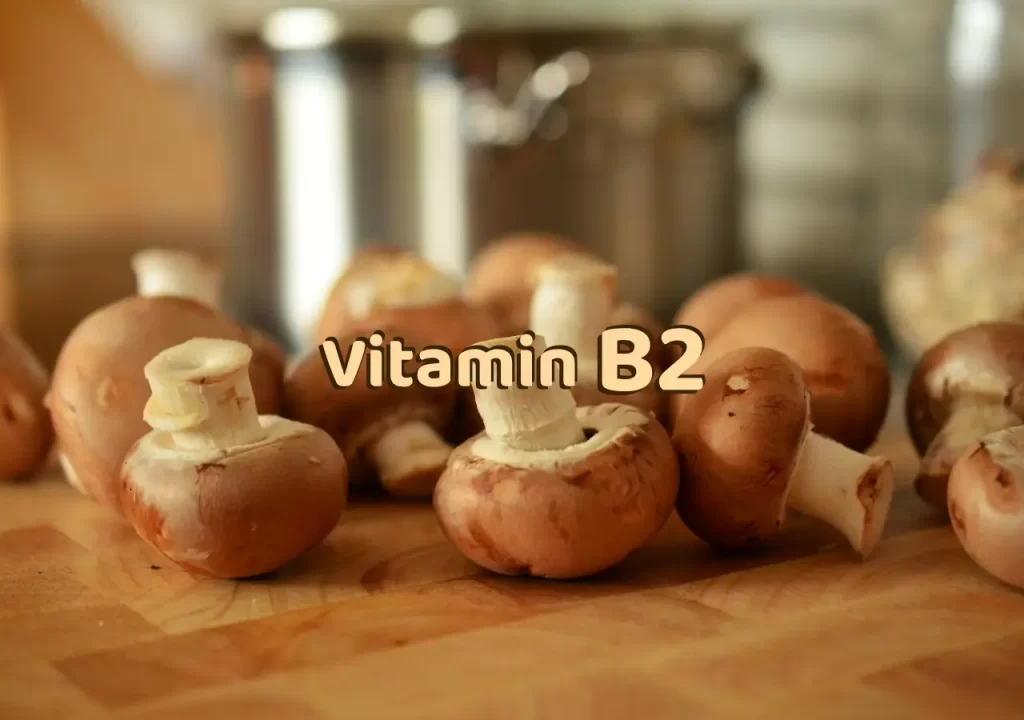
| Mushrooms | 0.45 mg |
| Fortified cereals | 1.3 mg |
| Chicken breast | 0.15 mg |
| Salmon | 0.12 mg |
Recommended Daily Intake (RDI)
According to the NIH Office of Dietary Supplements:
- Men: 1.3 mg per day
- Women: 1.1 mg per day
- Pregnant/Lactating Women: 1.4–1.6 mg per day
Top 10 Health Benefits of Vitamin B2 (Riboflavin)
1. Boosts Energy Production
Riboflavin helps transform food into ATP — the body’s main energy molecule — reducing fatigue and improving endurance.
2. Protects Eye Health
Vitamin B2 helps prevent cataracts and maintains healthy corneas and retinal tissue by reducing oxidative damage.
3. Supports Red Blood Cell Formation
Essential for creating and maintaining healthy red blood cells, preventing anemia and promoting oxygen transport.
4. Improves Skin Health
Riboflavin supports skin repair and collagen maintenance, helping prevent acne, dryness, and cracks around the mouth.
5. Promotes Brain Function
Vitamin B2 enhances neurotransmitter activity and protects brain cells from oxidative stress linked to aging and cognitive decline.
6. Strengthens the Immune System
It supports white blood cell production and helps neutralize free radicals that weaken immunity.
7. Reduces Migraines
Studies show that Vitamin B2 supplementation can lower migraine frequency by improving mitochondrial energy production.
8. Supports Healthy Growth
Critical for normal cell growth, making it especially important during adolescence, pregnancy, and recovery phases.
9. Enhances Iron Absorption
Riboflavin improves iron metabolism, reducing the risk of iron-deficiency anemia.
10. Promotes Healthy Hair and Nails
By boosting oxygen supply to tissues, Vitamin B2 strengthens keratin structure for shinier hair and stronger nails.
Deficiency Symptoms
Riboflavin deficiency (ariboflavinosis) is rare but can cause dry lips, mouth inflammation, cracked corners of the mouth, sore throat, red eyes, fatigue, and skin disorders. It often coexists with other B-vitamin deficiencies, especially B6 and B12.
Interactions & Absorption Factors
Nutrients that Improve Absorption
- Vitamin B6, B9, and B12 — work synergistically to enhance cellular energy and red blood cell formation.
- Magnesium — improves coenzyme activity and helps activate riboflavin-dependent enzymes.
Factors that Reduce Absorption
- Excessive caffeine and alcohol consumption reduce riboflavin absorption and increase excretion.
- Exposure to sunlight destroys riboflavin in foods — store dairy products in opaque containers.
- Long-term use of oral contraceptives and certain antidepressants can lower riboflavin levels.
Best Practices for Maximum Absorption
Consume Vitamin B2–rich foods with balanced meals, avoid overboiling, and include complementary B vitamins to enhance overall uptake.
FAQs
Can Vitamin B2 prevent migraines?
Yes — clinical studies suggest daily intake (200–400 mg) can reduce migraine attacks by supporting mitochondrial efficiency.
Is Riboflavin safe in high doses?
Yes. It’s water-soluble, and excess amounts are excreted in urine, sometimes turning it bright yellow — which is harmless.
Can I get enough B2 from a vegan diet?
Yes, by including fortified plant milks, almonds, mushrooms, and nutritional yeast.
Conclusion
Vitamin B2 Benefits go far beyond energy production — it supports your eyes, skin, blood, and brain health. Regular intake from whole foods or fortified sources ensures vitality and resilience against oxidative stress.
Disclaimer: This content is for informational and educational purposes only and is not intended to replace professional medical advice, diagnosis, or treatment. Always seek the guidance of your healthcare provider regarding any medical condition or treatment decisions.
References
- Riboflavin - Health Professional
- Vitamin B2 (Riboflavin)
- Riboflavin – Vitamin B2
- Riboflavin (vitamin B2) and oxidative stress