B1: The Brain Vitamin
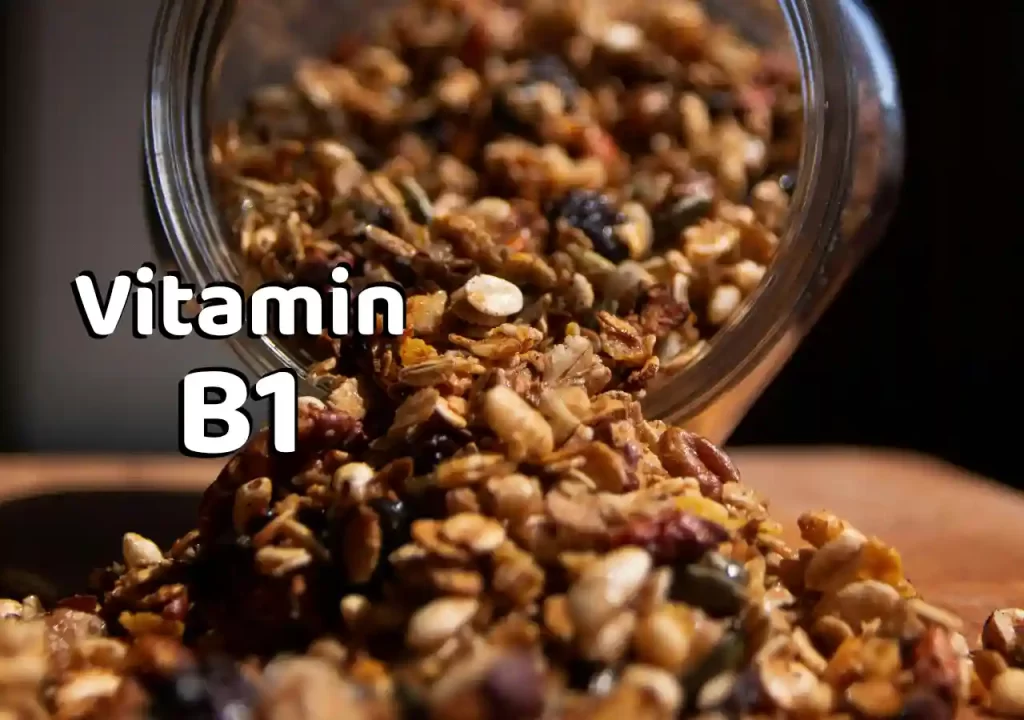
Vitamin B1, or Thiamine, is a key member of the B-vitamin family that maintains healthy metabolism, nerve function, and brain activity. It converts carbohydrates into energy — vital for the heart, muscles, and nervous system.
Although found in many foods, deficiency may still occur due to poor diet, alcohol use, or certain conditions. This guide explores the top 10 health benefits of Vitamin B1, main sources, deficiency signs, and how to meet your daily needs.
Nutritional Profile of Vitamin B1
Main Role in the Body
Thiamine enables enzymes to release energy from food and supports nerves, muscles, and the heart. It also helps protect cells from oxidative stress.
Top Food Sources
| Food Source | Thiamine (per 100 g) |
|---|---|
| Sunflower seeds | 1.5 mg |
| Pork (lean) | 0.9 mg |
| Fortified cereals | 1.2 mg |
| Black beans | 0.4 mg |
| Lentils (cooked) | 0.2 mg |
| Brown rice | 0.16 mg |
| Whole-wheat bread | 0.15 mg |
| Green peas | 0.28 mg |
| Oats | 0.5 mg |
| Flaxseeds | 0.45 mg |
Recommended Daily Intake (RDI)
According to the NIH Office of Dietary Supplements:
- Men — 1.2 mg per day
- Women — 1.1 mg per day
- Pregnant/Lactating — 1.4 mg per day
Top 10 Health Benefits of Vitamin B1
1. Boosts Energy Metabolism
Helps convert carbohydrates into usable energy, reducing fatigue and enhancing daily performance.
2. Supports Nervous System Health
Essential for nerve-cell maintenance, improving reflexes and coordination.
3. Improves Brain Function
Facilitates neurotransmitter production for better focus, memory, and emotional balance.
4. Enhances Heart Performance
Maintains steady heart rhythm and supports muscle contraction in cardiac tissue.
5. Strengthens Immunity
Provides energy to immune cells, enhancing resistance to infections.
6. Aids Digestion
Promotes stomach acid production for improved nutrient absorption.
7. Relieves Stress and Mood Swings
Known as the “anti-stress” vitamin; helps the body manage psychological tension.
8. Prevents Beriberi
Deficiency can lead to beriberi, causing nerve damage and muscle weakness.
9. Protects Eye Health
May lower cataract risk by supporting nerve signaling in ocular tissue.
10. Supports Healthy Aging
Acts as an antioxidant, helping preserve energy and mental clarity over time.
Deficiency Symptoms
Lack of Vitamin B1 may cause fatigue, irritability, poor memory, appetite loss, and—in severe cases—nerve or heart issues. People with alcoholism, diabetes, or eating disorders face higher risk.
FAQs
Can plants supply enough B1?
Yes. Whole grains, beans, peas, and nuts are reliable plant-based options.
Does cooking destroy Thiamine?
Partially; steam or lightly cook foods to preserve content.
When are supplements needed?
Useful for those with absorption problems or limited diets—consult your doctor first.
Conclusion
Vitamin B1 fuels metabolism, supports nerves, and protects the brain and heart. A diet rich in seeds, legumes, and whole grains ensures steady energy and mental clarity.
Disclaimer: This content is for informational and educational purposes only and is not intended to replace professional medical advice, diagnosis, or treatment. Always seek the guidance of your healthcare provider regarding any medical condition or treatment decisions.