Your Daily Cherries Boost
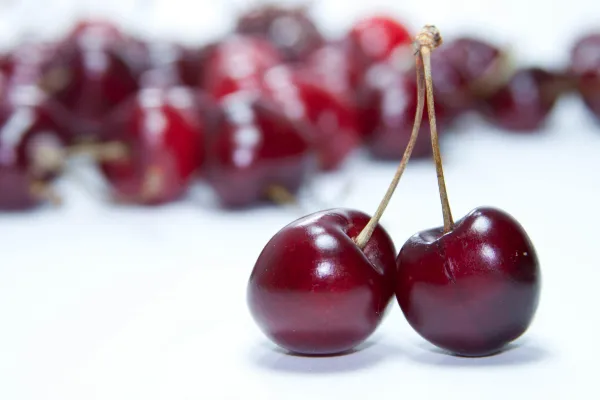
Cherries are one of nature’s most vibrant fruits, cherished for their deep color, rich flavor, and impressive nutritional value. This juicy summer produce offers a unique blend of sweetness and tanginess, making it popular in snacks, desserts, juices, and wellness drinks.
Beyond taste, this red stone fruit delivers a powerhouse of beneficial plant compounds that support overall health. Studies suggest that regular intake can improve sleep quality, support muscle recovery, and contribute to better heart and brain function. This guide explores everything you should know about cherries, including nutrients, benefits, varieties, servings, and precautions.
Nutritional Profile of Cherries
Vitamins
This fruit supplies vitamin C to support immunity and collagen production, along with vitamin A for eye health and vitamin K for bone strength. Smaller amounts of B-vitamins help support energy metabolism and cellular function.
Minerals
Cherries naturally contain potassium, a key mineral for healthy blood pressure and electrolyte balance. They also provide trace minerals like magnesium, calcium, and iron that contribute to nerve, muscle, and metabolic functions.
Fiber
A single cup of these fruits delivers about 3 grams of dietary fiber, which helps regulate digestion, support gut health, and maintain steady blood sugar levels.
Antioxidants
Cherries are rich in anthocyanins, polyphenols, and melatonin. These antioxidants help combat oxidative stress and inflammation, supporting recovery after physical activity and enhancing sleep quality.
Top Health Benefits of Eating Cherries
1. Supports Muscle Recovery & Reduces Inflammation
Research shows that tart cherry juice can reduce post-exercise muscle soreness and inflammation, helping athletes recover faster after training sessions.
2. Promotes Heart Health
Polyphenols in this fruit help improve blood vessel function and may lower LDL oxidation, contributing to healthier cardiovascular performance.
3. Enhances Natural Sleep Cycles
Tart varieties naturally contain melatonin and may help improve sleep duration and quality, especially when consumed as juice in the evening.
4. Supports Cognitive Function
Antioxidant compounds in cherries help protect brain cells from oxidative damage, which may support memory and long-term cognitive performance.
5. Assists in Balanced Weight Management
Low in calories and rich in fiber, this fruit can help satisfy sweet cravings while supporting digestion and appetite control.
Types of Cherries (Categories & Examples)
Sweet Varieties
Popular types include Bing and Rainier. These are commonly eaten fresh or used in desserts, yogurt bowls, and salads.
Tart (Sour) Varieties
Montmorency and other sour types are typically used in juices, pies, preserves, and dietary supplements due to their potent antioxidant profile.
Dark (Black) Varieties
Darker cherries offer a richer flavor and deeper antioxidant concentration, often used in sauces, jams, and specialty drinks.
Cherries in Popular Diets
Mediterranean-Style Eating
This fruit complements the plant-rich Mediterranean approach, which emphasizes antioxidant-dense foods for heart and metabolic health.
Plant-Based & Vegan Nutrition
A great natural source of essential vitamins, minerals, and phytonutrients for those following vegetarian or vegan eating patterns.
Anti-Inflammatory Plans
Due to their powerful anthocyanin content, cherries fit well in anti-inflammatory lifestyle patterns focused on reducing chronic inflammation.
How Many Servings per Day?
One cup of fresh cherries (about 140g) provides roughly 90 calories. Enjoying one to two servings per day offers antioxidant and fiber benefits while keeping sugar intake in balance.
Potential Risks & Considerations
Whole Fruit vs. Juice
Juice offers nutrients but lacks fiber and can be high in natural sugars. Whole fruit is the better everyday choice.
Blood Sugar Considerations
Although this fruit has a moderate glycemic index, people managing blood sugar should monitor portions and choose fresh over sweetened products.
Digestive Sensitivity
Some individuals may experience gas or bloating due to natural sorbitol and fiber content.
Allergies
Rare oral-allergy reactions may occur in people sensitive to birch pollen.
Dried & Sweetened Products
Dried cherries often contain added sugar. For healthier snacking, choose unsweetened versions.
FAQs
Do these fruits help with sleep?
Yes, tart juice varieties contain natural melatonin and may support restful sleep when consumed consistently.
Are they helpful for workout recovery?
Studies suggest that tart cherry juice can lessen muscle soreness and speed recovery after training.
Can they help support heart health?
Yes — antioxidants in cherries help reduce oxidative stress and support healthy blood pressure and circulation.
Are they good for weight loss?
They are low in calories and rich in fiber, making them a satisfying option for balanced weight control.
Conclusion
This ruby-colored fruit offers more than just flavor — it’s packed with antioxidants, fiber, and nutrients that support sleep, exercise recovery, heart health, and long-term wellness. Adding them to your routine is an easy and delicious way to boost daily nutrition.
*Disclaimer: This content is for informational purposes only and should not replace professional medical advice, diagnosis, or treatment.*