Broccoli’s Role in Nutrition and Health
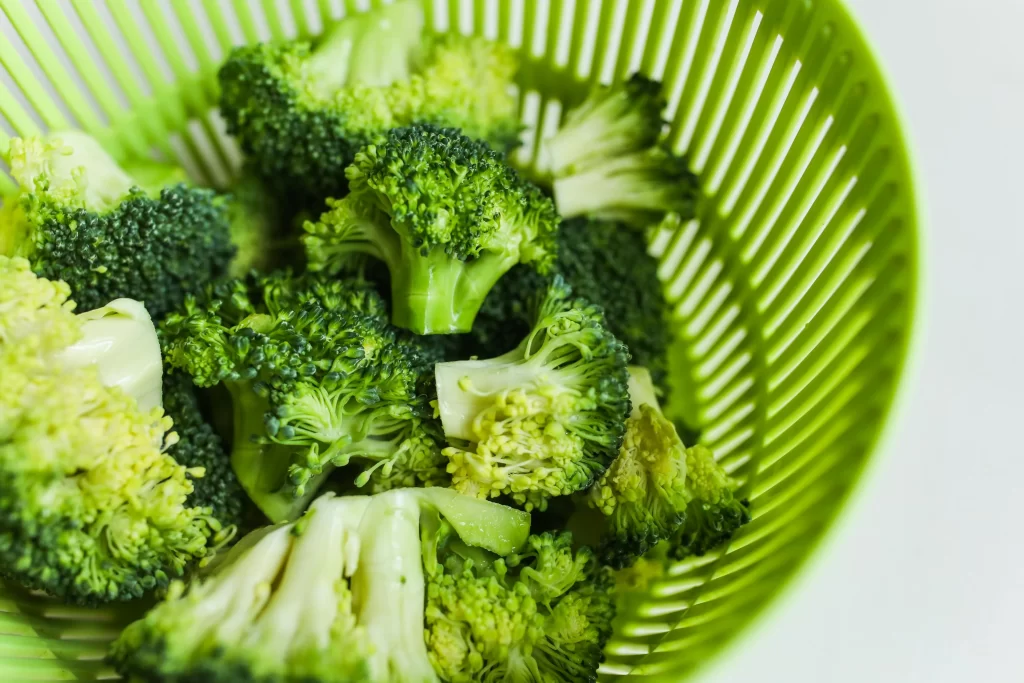
Broccoli is widely regarded as one of the most nutrient-dense vegetables, celebrated for its balance of vitamins, minerals, fiber, and bioactive compounds. Belonging to the Brassica family alongside cauliflower, kale, and Brussels sprouts, this cruciferous green gained popularity in the United States during the 20th century, evolving from a regional Mediterranean crop to a mainstream staple.
Culinary appeal meets science here: these florets offer a slightly bitter, earthy flavor profile that pairs well with garlic, lemon, olive oil, and cheese. From quick weeknight sautés to elegant roasted sides, this versatile ingredient adapts to many cuisines, making healthy eating practical, delicious, and accessible.
Historically, Italian immigrants helped popularize this vegetable in North America. Advances in cold-chain logistics and year-round farming further cemented its presence in grocery aisles and restaurant menus. Today, wellness culture, plant-forward eating, and the surge in home cooking continue to drive interest, while research on compounds such as sulforaphane underscores why this green deserves a frequent place on the plate.
Nutritional Profile of Broccoli
This Brassica variety delivers an impressive nutrient package with very modest calories. A typical serving (1 cup raw, ~91 g) provides vitamins C and K in abundance, plus fiber, potassium, folate, and protective phytonutrients. Beyond the headline nutrients, it also contains smaller but meaningful amounts of vitamins A (as carotenoids), B6, and trace minerals.
| Nutrient | Amount per 1 cup raw (91 g) |
|---|---|
| Calories | 31 kcal |
| Carbohydrates | 6 g |
| Dietary Fiber | 2.4 g |
| Sugars (natural) | 1.5 g |
| Protein | 2.5 g |
| Fat | 0.3 g |
| Vitamin C | 81 mg (≈90% DV) |
| Vitamin K | 92 mcg (≈100% DV) |
| Folate (B9) | 57 mcg (≈15% DV) |
| Potassium | 288 mg (≈8% DV) |
| Calcium | 43 mg (≈4% DV) |
| Iron | 0.7 mg (≈4% DV) |
| Magnesium | 19 mg (≈5% DV) |
| Water content | ~89% |
| %DV Range | Meaning |
|---|---|
| 5% DV or less | Low source of the nutrient |
| 6% – 19% DV | Moderate source |
| 20% DV or more | High or excellent source |
Vitamins
This superfood is renowned for vitamin C (immune defense, collagen synthesis) and vitamin K (bone metabolism, blood-clotting pathways). It also supplies carotenoids that the body can convert to vitamin A for vision and skin, plus B vitamins—particularly B6—supporting energy metabolism and neurotransmitter synthesis.
Minerals
The mineral profile includes potassium (blood pressure regulation), calcium (bone structure), magnesium (muscle and nerve function), and iron (oxygen transport). Trace elements—like manganese and zinc—contribute to antioxidant enzymes and DNA repair.
Dietary Fiber
Each serving delivers both soluble and insoluble fiber. Soluble fiber forms a gel that moderates glucose absorption and binds bile acids, supporting healthy cholesterol levels. Insoluble fiber adds bulk, promoting regularity and a thriving gut microbiome.
Antioxidants and Phytochemicals
This cruciferous green contains glucosinolates that can yield sulforaphane, a compound studied for detoxification support and cellular defense. Lutein and zeaxanthin benefit eye health, while flavonoids like kaempferol and quercetin help temper oxidative stress and inflammation.
Top Health Benefits of Eating Broccoli
Below are evidence-aligned benefits that extend beyond basic nutrition. Each subsection highlights mechanisms and practical takeaways so readers can translate science into everyday habits.
Cancer Prevention
Research associates higher intake of cruciferous vegetables with lower risk of several cancers. Mechanistically, sulforaphane can activate Phase II detox enzymes (e.g., Nrf2 pathway), enhance cellular defense against oxidative damage, and influence epigenetic patterns related to tumor suppression. While no single food can “prevent” cancer, a pattern rich in these greens contributes to a protective dietary matrix.
Heart and Vascular Health
Fiber supports healthy LDL levels by binding bile acids. Potassium assists in maintaining favorable blood pressure. Polyphenols and isothiocyanates may support endothelial function, leading to better arterial flexibility. These effects complement heart-smart patterns like Mediterranean-style eating.
Immune Function
A cup of florets provides nearly a full day’s vitamin C for most adults, aiding white blood cell activity and antioxidant recycling (e.g., regenerating vitamin E). Carotenoids support mucosal barriers, while phytochemicals may modulate inflammatory signaling, creating a more resilient internal milieu.
Bone and Joint Health
Vitamin K is pivotal for osteocalcin activation, helping bind calcium within bone. Alongside magnesium and calcium, this Brassica variety supports skeletal integrity. Laboratory work suggests sulforaphane may influence pathways involved in cartilage breakdown, a hypothesis under study for joint health.
Eye Health
Lutein and zeaxanthin accumulate in the macula, filtering blue light and combating oxidative stress. Diets rich in these pigments are associated with a lower risk of age-related macular degeneration and cataracts. Pairing with healthy fats (e.g., olive oil) can aid carotenoid absorption.
Digestive Wellness
Fiber fuels beneficial gut microbes that produce short-chain fatty acids (SCFAs) like butyrate—linked to colon integrity and immune balance. Gentle cooking can soften stalks, improving digestibility for sensitive individuals without compromising overall nutrient quality.
Anti-Inflammatory Effects
Flavonoids and isothiocyanates can downregulate NF-κB signaling and reduce markers of oxidative stress. Over time, this may contribute to a lower chronic inflammation burden—a key goal in lifestyle medicine.
Types of Broccoli (Categories & Examples)
Exploring varieties keeps meals interesting and broadens nutrient exposure. Availability differs by region and season, so consider local markets and specialty grocers.
Calabrese (Standard Grocery Type)
Large crowns with sturdy stalks—ideal for roasting and steaming. Trim the outer stalk skin to reveal tender cores for slaws or stir-fries, reducing food waste and adding crunch.
Sprouting Types
Multiple slender stems with petite heads; quick to cook and excellent in pasta, ramen bowls, and skillet dishes. Their delicate texture shines with brief high-heat methods.
Purple Varieties
Anthocyanin pigments add visual flair and antioxidant potential. The purple hue often mellows with heat, but lightly steaming preserves more color and texture.
Broccolini (Baby Broccoli)
A hybrid with Chinese kale—long stems, smaller florets, and a mild sweetness. Great for grilling or blistering in a hot pan with garlic and chili flakes.
Chinese Broccoli (Gai Lan)
Broad leaves and robust flavor; classic in Cantonese cuisine. Blanch briefly, then stir-fry with ginger, garlic, and a splash of soy or oyster sauce.
Romanesco
Fractal spirals with a nutty taste and a firm bite. Holds structure in roasting and performs beautifully in salads with citrus vinaigrettes and shaved hard cheeses.
Broccoli in Popular Diets
This versatile green integrates seamlessly into most patterns. Below are practical ways to incorporate it without sacrificing flavor or adherence.
Mediterranean
Toss florets with olive oil, lemon zest, and garlic; roast until caramelized. Combine with farro, chickpeas, capers, and fresh herbs for a hearty grain bowl.
Plant-Based & Vegan
Offers plant protein, vitamin C, calcium, and iron. The vitamin C boosts iron absorption from beans and lentils—try a warm salad with tahini dressing and toasted seeds.
Low-Carb & Keto
Low net carbs and high fiber make riced florets a smart swap for grains. Pan-sauté with eggs, scallions, and sesame for a quick, savory “fried rice”–style dish.
Paleo & Whole-Food Approaches
Emphasize minimally processed preparations. Pair roasted florets with salmon, avocado, and a citrus-herb chimichurri for a balanced plate.
DASH & Flexitarian
Excellent for blood-pressure–friendly plates due to potassium content. Add to soups and stews or blend into creamy purees with Greek yogurt for a lighter, satiating side.
Sports & Active Lifestyles
Post-workout meals benefit from vitamin C (recovery) and vitamin K/calcium (bone health). Try a quinoa bowl with grilled chicken, roasted florets, cherry tomatoes, and pumpkin seeds.
Cultural Notes
In Italian-American cooking, sautéed florets with garlic and chili flakes top orecchiette beautifully. In East Asian cuisines, gai lan is a classic with oyster sauce. Fusion ideas—like miso-roasted florets—show how adaptable this vegetable can be.
How Many Servings per Day?
General guidance for adults on a 2,000-calorie diet is about 2.5 cups of vegetables daily. One cup raw or ½ cup cooked of this vegetable counts as a serving. For variety, rotate among cruciferous options to diversify phytochemical intake.
- 1 cup raw chopped florets = 1 serving
- ½ cup steamed or roasted florets = 1 serving
- 1 cup blended soup = 1 serving
- ½ cup riced florets = 1 serving
Life Stage Considerations
Children: Offer lightly steamed pieces with dips to build acceptance.
Adults: Aim for several weekly servings to support cardiometabolic goals.
Older Adults: Softer textures and soups support chewing comfort while preserving nutrients.
Cooking & Nutrient Retention
Light steaming typically preserves vitamin C better than prolonged boiling. Roasting concentrates flavor but may slightly reduce heat-sensitive nutrients; balance methods across the week.
Budget & Meal Prep
Use whole heads (stems included) to maximize value. Peel tough stalks for slaws or ribbons. Prep large trays on weekends—roast, cool, and refrigerate for add-ins all week.
Potential Risks and Considerations
Digestive Sensitivity
This food is relatively high in FODMAPs for some individuals and can cause gas or bloating. Strategies: cook until tender-crisp, start with small portions, and combine with low-FODMAP sides.
Thyroid Considerations
Goitrogenic compounds may interfere with iodine uptake when intake is extremely high and iodine status is poor. Cooking reduces goitrogen activity. Most people can safely enjoy moderate portions within a varied diet.
Blood Thinners & Vitamin K
Those on warfarin or similar medications should keep vitamin K intake consistent. If intake changes, coordinate with a healthcare provider for medication adjustments.
Kidney Stones
Contains oxalates; individuals with a history of calcium-oxalate stones may benefit from moderation and pairing with calcium-rich foods (e.g., yogurt), which can bind oxalate in the gut.
Food Safety
Rinse well to remove soil and residues. Dry thoroughly before roasting for better browning. Refrigerate leftovers promptly and reheat to a safe temperature.
FAQs
Is broccoli healthier raw or cooked?
Both have merits. Raw retains more vitamin C and certain isothiocyanates; light steaming enhances overall antioxidant capacity and texture. Rotate methods for balance.
What’s the best way to maximize sulforaphane?
Chop florets and wait a few minutes before cooking to allow myrosinase activity that forms isothiocyanates. Light steaming preserves more potential than long boiling.
Can people with IBS eat it?
Many can tolerate modest portions of well-cooked florets. Stalks may be more challenging; test tolerance, adjust portion sizes, and consider low-FODMAP timing.
How many servings per week?
Aim for two to three servings of cruciferous vegetables weekly, with additional servings if well tolerated and balanced within total vegetable intake.
Does it cause gas?
It can for some due to fiber and sulfur compounds. Cooking thoroughly and pairing with ginger or carminative herbs may help.
Can it support weight management?
Yes—low calorie density and high fiber/volume promote fullness. Pair with lean proteins and healthy fats to build satisfying meals.
Is it safe for kids?
Absolutely. Offer soft, bite-sized pieces and fun dips. Repeated exposure increases acceptance.
What about frozen vs. fresh?
Frozen is convenient and often comparable nutritionally. Roast from frozen at high heat to achieve crisp-tender texture without sogginess.
Any quick flavor upgrades?
Lemon zest, toasted almonds, parmesan, chili flakes, tahini, miso, or sesame oil can elevate flavor without excessive calories.
Conclusion
This cruciferous green brings a rare combination of affordability, versatility, and science-backed benefits. From immune and heart support to digestive and eye health, its nutrient density and phytochemical profile make it a valuable staple. Vary cooking methods, use the stems creatively, and rotate with other Brassicas to keep meals exciting and nutritionally robust.
Disclaimer: This content is for informational and educational purposes only and is not intended to replace professional medical advice, diagnosis, or treatment. Always seek the guidance of your healthcare provider regarding any medical condition or treatment decisions.
References
- Broccoli: A Multi-Faceted Vegetable for Health
- Nutrition Facts for Raw Broccoli
- Cruciferous Vegetables and Cancer Prevention