Why Your Body Needs Potatoes
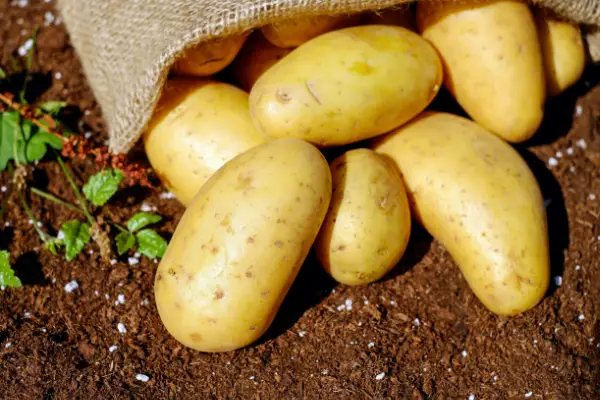
This popular starchy vegetable has fed civilizations for centuries and remains a staple in kitchens worldwide. While many people associate it with comfort food or weight gain, this root crop is naturally gluten-free, nutrient-dense, and surprisingly versatile.
In this guide, you’ll discover the key nutrients found in this vegetable, its health benefits, different varieties, and smart ways to enjoy it as part of a balanced diet.
Nutritional Profile of Potatoes
Vitamins
This vegetable provides a meaningful dose of vitamin C, especially when consumed with the skin. It also offers vitamin B6, supporting metabolism and brain health.
Minerals
A medium-sized serving delivers impressive potassium levels — comparable to a banana — along with magnesium, iron, and phosphorus, all contributing to healthy nerves, muscles, and bones.
Fiber
Eating the skin adds dietary fiber to your meal, which helps regulate digestion and promotes feelings of fullness.
Antioxidants
Colorful varieties such as purple and red types are rich in antioxidants, protecting the body against cellular damage.
Top Health Benefits of Eating Potatoes
1. Steady Energy Supply
These tubers contain complex carbohydrates that fuel the body with long-lasting energy.
2. Heart-Friendly Minerals
Their naturally high potassium and low sodium content can help maintain healthy blood pressure.
3. Immune Support
The vitamin C content helps strengthen immune defenses and supports skin health.
4. Muscle & Nerve Function
Potassium and magnesium play essential roles in muscle contraction, hydration, and nerve function.
5. Supports Satiety & Weight Balance
When prepared healthfully, this food ranks high on the satiety index, helping curb hunger between meals.
Types of Potatoes (Categories & Examples)
Russet
Large and fluffy when baked, often used for fries and baked dishes.
Red Variety
Waxy and firm, excellent for salads, roasting, and soups.
Yukon Gold
Creamy texture and rich flavor, ideal for mashing or roasting.
Purple Variety
Known for vibrant color and antioxidant richness.
Potatoes in Popular Diets
Mediterranean Diet
Consumed moderately, usually roasted with olive oil and herbs or added to stews.
Vegetarian & Vegan Plans
A reliable energy source that pairs well with legumes and vegetables.
Low-Fat Diets
When boiled, steamed, or baked without heavy toppings, it fits well into low-fat lifestyles.
How Many Servings per Day?
One serving equals about ½ to 1 cup of cooked portions. Most healthy adults can comfortably enjoy 1–2 servings per day, especially when prepared with light seasonings and minimal fats.
Potential Risks & Considerations
Whole vs. Processed Forms
Whole forms provide fiber, vitamins, and minerals. However, fried products and packaged chips are higher in unhealthy fats and salt.
Blood Sugar Response
This starchy food has a medium-to-high glycemic impact, so pairing it with protein, fiber, or healthy fats can moderate blood sugar rise.
Acrylamide Risk
High-heat frying can produce acrylamide. Baking, steaming, or boiling reduces this concern.
Food Sensitivities
Rare but possible in individuals sensitive to nightshade vegetables.
FAQs
Is this vegetable bad for you?
Not at all — the issue is usually how it’s cooked. Baking, steaming, or boiling is much healthier than deep-frying.
What about sweet vs. regular varieties?
Both offer unique nutrients. Orange-fleshed types are rich in beta-carotene, but standard varieties are also nutritious.
Should you eat the skin?
Yes — the skin provides fiber and minerals. Just wash thoroughly before cooking.
Conclusion
This humble crop remains one of the world’s most important foods — energizing, satisfying, and nutrient-rich when prepared the right way.
Want to try another nutritious option? Explore our guide to Sweet Potatoes Benefits for more insights into similar root vegetables.
*Disclaimer: This content is for informational purposes only and should not replace professional medical advice, diagnosis, or treatment.*
References
- Harvard T.H. Chan School of Public Health – Potatoes and Health
- USDA FoodData Central – Potatoes, raw