A Fresh Start: Spinach Benefits & Facts
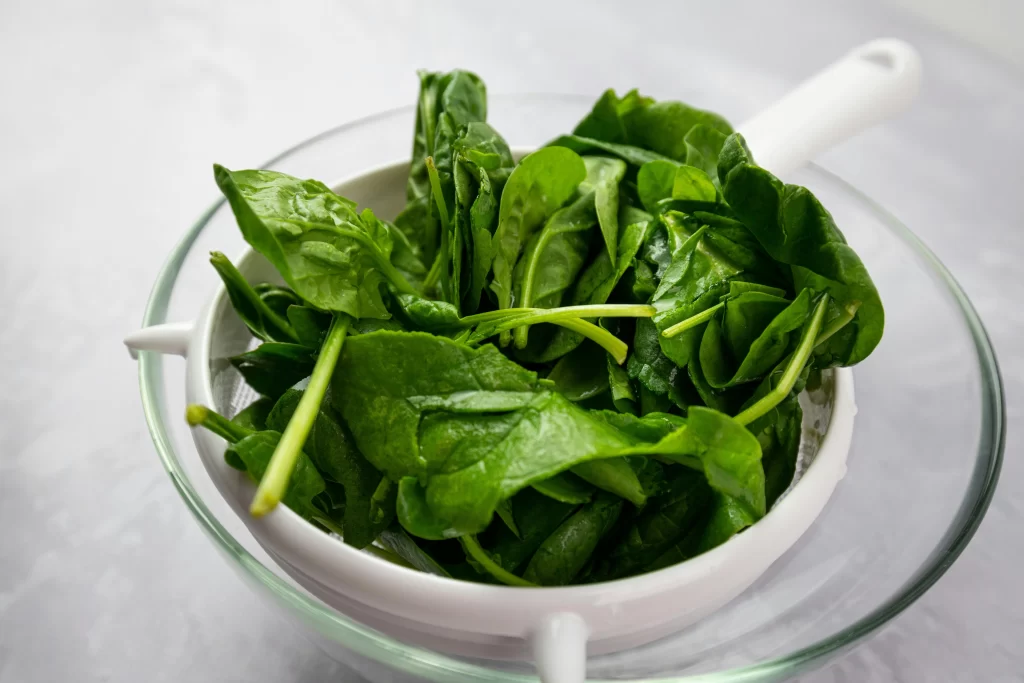
Spinach is one of the most nutrient-packed leafy greens found in American kitchens. It’s enjoyed in salads, smoothies, soups, and pasta. Across the U.S., this green vegetable is available fresh, frozen, or as tender baby leaves, making it easy to include in daily meals. For readers seeking spinach nutrition facts, this guide explains what truly impacts overall wellness.
From a nutritional standpoint, this leafy green delivers a unique mix of vitamins A, C, and K, folate, iron, magnesium, and potassium—along with carotenoids such as lutein and zeaxanthin that help protect the eyes. Because it’s mild and versatile, it fits easily into many eating styles and budgets.
This comprehensive article explores the full nutritional profile of Spinach, its proven health benefits, types and uses, how it fits into popular diets, serving recommendations, potential risks, FAQs, and a clear conclusion with references.
Spinach Nutrition Facts (Raw, Per 100 g)
Below are USDA FoodData Central values for raw Spinach (100 g). Cooking slightly reduces heat-sensitive vitamins but concentrates some minerals.
| Nutrient | Amount per 100 g |
|---|---|
| Calories | 23 kcal |
| Carbohydrates | 3.6 g |
| Dietary Fiber | 2.2 g |
| Protein | 2.9 g |
| Vitamin A (RAE) | 469 μg (52% DV) |
| Vitamin C | 28 mg (31% DV) |
| Vitamin K | 483 μg (400% DV) |
| Folate | 194 μg (49% DV) |
| Iron | 2.7 mg (15% DV) |
| Calcium | 99 mg (10% DV) |
| Magnesium | 79 mg (19% DV) |
| Potassium | 558 mg (16% DV) |
| Water content | ~91% |
How to read %DV:
| %DV Range | Meaning |
|---|---|
| 5% DV or less | Low source |
| 6% – 19% DV | Moderate source |
| 20% DV or more | High or excellent source |
Vitamins
This vegetable is loaded with vitamin K for blood and bone health, plus vitamins A and C for immune support. It’s also a great source of folate, important for red blood cell formation and energy metabolism.
Minerals
The leafy green contributes valuable minerals including iron, calcium, magnesium, and potassium. Pairing it with vitamin C–rich foods like oranges or peppers enhances iron absorption.
Dietary Fiber
Each 100 g serving provides about 2.2 g of fiber, helping regulate digestion and promote fullness. Along with other vegetables and whole grains, it supports the daily fiber goal of 25–30 g.
Antioxidants Phytochemicals
Rich in lutein, zeaxanthin, chlorophyll, and flavonoids like quercetin, this green acts as a strong antioxidant ally for eye and heart health.
Fresh vs. Frozen vs. Cooked
- Fresh Spinach: Ideal for salads, best vitamin C content.
- Cooked Spinach: More concentrated minerals and carotenoids.
- Frozen Spinach: Convenient and nutritious; retains fiber and minerals.
Top Health Benefits of Eating Spinach
Studies consistently link leafy greens—especially Spinach—to improved heart, bone, and metabolic health. Below are the most recognized science-backed benefits.
Bone Blood Health
The vitamin K in this green supports calcium regulation and bone formation while assisting blood clotting. Calcium and magnesium further strengthen bone tissue.
Eye Protection
Lutein and zeaxanthin help protect retinal cells and may reduce age-related macular degeneration risk. Regular intake supports visual performance.
Heart Vascular Support
Potassium and magnesium promote healthy blood pressure, while polyphenols enhance blood vessel function—key contributors to heart health.
Blood Sugar Balance
Low in net carbs, this vegetable slows glucose absorption and supports stable energy levels. Including it in balanced meals aids overall metabolic function.
Anti-Inflammatory Power
The carotenoids and flavonoids found in Spinach help counter chronic inflammation and oxidative stress—important for long-term wellness.
Types of Spinach (Categories Uses)
Savoy, Semi-Savoy, and Smooth-Leaf
Savoy varieties have curly leaves and firm texture for sautés; semi-savoy types are easier to clean; smooth-leaf Spinach lies flat—great for wraps and sandwiches.
Baby vs. Mature Leaves
Baby Spinach is tender and mild, best eaten raw, while mature leaves are heartier and stand up well to cooking.
Fresh, Frozen, and Canned
Fresh Spinach offers the best flavor; frozen versions are perfect for soups and smoothies; canned options work well for high-volume, budget-friendly recipes.
Spinach in Popular Diets
Because of its low calorie count and high nutrient density, Spinach fits seamlessly into nearly all healthy eating patterns.
Mediterranean Diet
A classic in Mediterranean cuisine, featured in dishes like spanakopita or salads with olive oil and garlic.
Plant-Based Vegan
Provides essential nutrients for vegans—iron, folate, magnesium, and potassium. Combine with vitamin C foods for better iron uptake.
Low-Carb Keto
Adds volume and micronutrients to omelets, casseroles, and soups without raising carbohydrate intake.
Paleo Whole-Food Approaches
As an unprocessed plant food, this leafy green fits perfectly in Paleo and clean-eating diets.
For Active Lifestyles
Athletes benefit from nitrate precursors, magnesium, and iron that support muscle performance and recovery.
How Many Servings per Day?
USDA guidelines suggest at least 2–3 cups of vegetables daily. Including Spinach helps meet this target efficiently.
- 1 cup raw Spinach ≈ 30 g = 1 vegetable serving
- ½ cup cooked ≈ 90 g (denser nutrients)
- Aim for 1–2 cups raw or ½–1 cup cooked per day
Mixing raw and cooked forms across the week maximizes nutrient diversity.
Potential Risks Considerations
Oxalates Kidney Stones
This green is high in oxalates, which may contribute to calcium-oxalate stones in sensitive individuals. Pair with calcium-rich foods to reduce risk.
Mineral Absorption
Oxalates can hinder calcium and iron absorption. Consuming with vitamin C improves bioavailability.
Vitamin K Blood Thinners
Very high in vitamin K—people on anticoagulants should keep intake consistent.
Pesticide Residues Food Safety
Wash thoroughly or choose organic to minimize pesticide exposure and microbial risk.
Digestive Sensitivity
Some may experience gas or bloating from raw Spinach. Light cooking or smaller servings can help.
FAQs
Is Spinach good for anemia?
It contains non-heme iron; combining with vitamin C–rich foods boosts absorption, but this vegetable alone won’t correct anemia.
Raw vs. cooked: which is better?
Both forms offer benefits—raw preserves vitamin C and folate; cooked enhances carotenoid absorption.
Can I eat it every day?
Yes, most healthy adults can include Spinach daily in moderation.
Is frozen Spinach nutritious?
Yes, freezing retains minerals and fiber, making it a practical, affordable option.
Does it fit low-carb diets?
Definitely—it’s low in carbohydrates and rich in micronutrients.
Conclusion
Spinach is one of the simplest, most powerful foods to support wellness. It delivers vitamins, minerals, fiber, and antioxidants while staying low in calories.
Enjoy it both raw and cooked, combine with vitamin C for better iron absorption, and include Spinach regularly in salads, omelets, or smoothies. With balanced intake, this leafy green can anchor a nutrient-rich diet year-round.
Disclaimer: This content is for informational and educational purposes only and is not intended to replace professional medical advice, diagnosis, or treatment. Always seek the guidance of your healthcare provider regarding any medical condition or treatment decisions.
References
- Spinach 101: Nutrition Facts and Health Benefits
- Potential health benefits of spinach
- Vitamin K and the Visual System
- When is Spinach in Season?