Apples: More Than Just Fiber
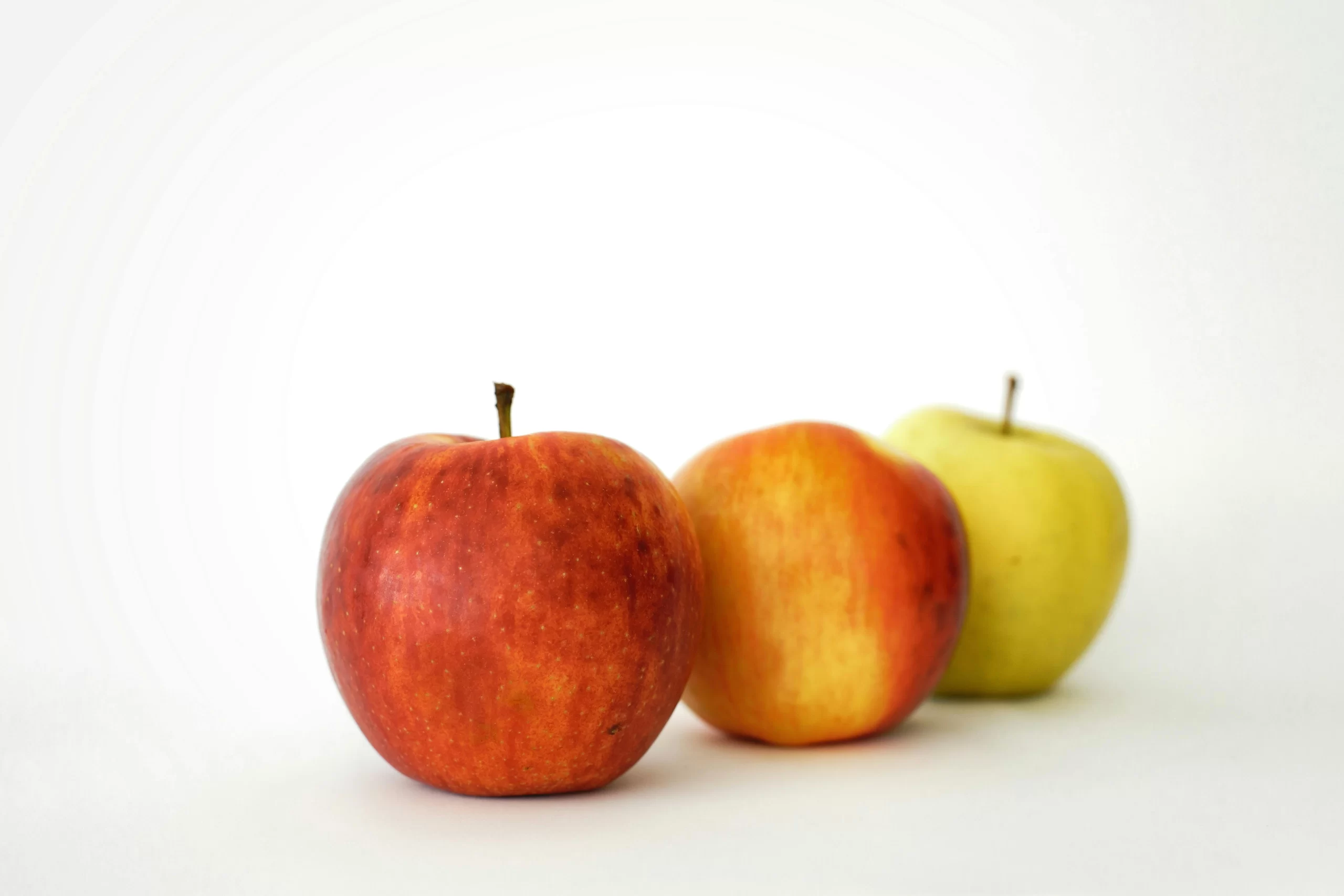
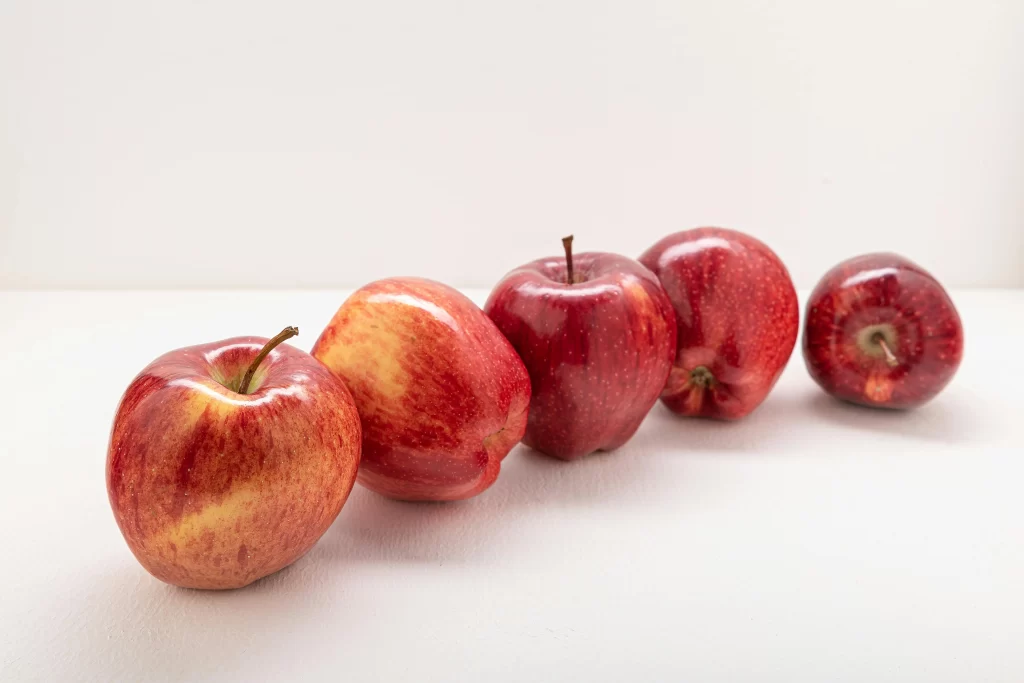
Apples are one of the most iconic and widely consumed fruits worldwide. In the United States alone, the fruit ranks among the top items purchased annually, with varieties like Gala, Red Delicious, and Granny Smith consistently leading supermarket sales. The saying “An apple a day keeps the doctor away” has been around for more than a century, reflecting both cultural familiarity and scientific curiosity about their health benefits. For readers seeking apples nutrition facts, this guide summarizes what matters most for everyday health.
From a nutritional perspective, this powerhouse delivers vitamin C, dietary fiber, potassium, and protective compounds such as flavonoids and polyphenols. Its versatility is unmatched: eaten raw, baked into pies, blended into smoothies, or pressed into cider, it fits seamlessly into multiple cuisines and lifestyles. Affordability and long shelf life also make this produce a staple in both Western and global diets.
This comprehensive guide explores the full nutritional profile of apples, science-backed health benefits, comparisons between varieties, how they fit into popular dietary patterns, recommended servings, potential risks, FAQs, and practical tips. By the end, you will understand why this fruit has earned a permanent spot in kitchens and health recommendations around the world.
Apples Nutrition Facts (Per Medium Apple)
The nutritional value of this fruit varies slightly by variety, but all share a strong foundation of fiber, water, and protective compounds. Below is a summary of the USDA FoodData Central values for one medium piece (about 182 grams, raw with skin):
| Nutrient | Amount per medium apple |
|---|---|
| Calories | 95 kcal |
| Carbohydrates | 25 g |
| Dietary Fiber | 4 g |
| Sugars (natural) | 19 g |
| Protein | 0.5 g |
| Fat | 0.3 g |
| Vitamin C | 8.4 mg (14% DV) |
| Potassium | 195 mg (6% DV) |
| Vitamin K | 4 mcg (5% DV) |
| Copper | 0.1 mg (4% DV) |
| Water content | ~86% |
| %DV Range | Meaning |
|---|---|
| 5% DV or less | Low source of the nutrient |
| 6% – 19% DV | Moderate source |
| 20% DV or more | High or excellent source |
Vitamins
This produce provides moderate vitamin C, which supports collagen synthesis, wound healing, and immune defense. It also supplies small amounts of vitamin A (through carotenoids), vitamin K (important for blood clotting and bone health), and B vitamins like B6. Together, these vitamins support energy metabolism and cellular health.
Minerals
Potassium is the most notable mineral here, supporting healthy blood pressure and muscle contraction. The fruit also provides trace minerals such as copper, which aids red blood cell production and antioxidant defense, and manganese, essential for bone and enzyme function.
Dietary Fiber
Each medium serving delivers about 4 grams of dietary fiber, split between soluble (pectin) and insoluble forms. Pectin helps lower LDL cholesterol, moderate blood sugar spikes, and acts as a prebiotic for gut bacteria. Insoluble fiber adds bulk to stool and supports regular digestion. Eating with the skin maximizes fiber intake.
Antioxidants Phytochemicals
This food contains a wide spectrum of phytochemicals, especially in the peel. Key compounds include:
- Quercetin: A flavonoid with anti-inflammatory and antihistamine properties.
- Catechins: Also found in green tea, these compounds protect cells from oxidative stress.
- Chlorogenic acid: Linked to better blood sugar regulation.
- Anthocyanins: Present in red and purple varieties, supporting vascular and brain health.
These compounds work synergistically with fiber, making whole fruit more beneficial than supplements or juice alone.
Nutrient Comparison by Variety
- Granny Smith: Lower in sugar, higher in tartness, favored in weight-loss diets.
- Fuji Honeycrisp: Higher in natural sugars, very sweet, excellent for energy and hydration.
- Red Delicious: Rich in anthocyanins but slightly lower in vitamin C compared to others.
Rotating varieties in your diet ensures broader nutrient exposure and flavor diversity.
Top Health Benefits of Eating Apples
This is one of the most researched fruits in nutritional science, with numerous studies linking regular consumption to reduced risk of chronic diseases. The unique combination of fiber, vitamins, minerals, and polyphenols makes it particularly powerful for preventive health.
Heart Health
The soluble fiber (pectin) helps reduce LDL cholesterol levels, while polyphenols like quercetin improve endothelial function and may lower blood pressure. A Harvard cohort following over 75,000 women found that those who ate more of this fruit had a significantly lower risk of coronary heart disease.
Weight Management
Low in calories and high in water and fiber, the produce increases satiety and can help control appetite. Research shows that eating a whole piece before a meal reduces overall calorie intake by up to 15%. Tart types such as Granny Smith may be particularly effective for weight-conscious eaters.
Blood Sugar Regulation Diabetes
Despite natural sugars, whole pieces have a low glycemic index. Fiber slows glucose absorption, while polyphenols improve insulin sensitivity. A 2013 BMJ analysis found that higher intake was associated with reduced risk of type 2 diabetes.
Digestive Gut Health
Pectin acts as a prebiotic, feeding beneficial bacteria such as Bifidobacteria. This promotes a balanced microbiome—critical for immunity, mood, and metabolism—and also improves stool regularity and digestive comfort.
Cognitive Brain Health
Antioxidants like quercetin and anthocyanins help protect brain cells from oxidative damage. Emerging studies suggest this fruit may support memory, reduce neuroinflammation, and lower risk of age-related decline.
Cancer Protection
Population research links higher intake with lower risks of certain cancers, including colorectal, breast, and lung. While more clinical trials are needed, antioxidants and fiber likely contribute to these effects.
Types of Apples (Categories Examples)
Over 7,500 varieties exist worldwide, with more than 2,500 grown in the United States. Each type differs in sweetness, tartness, texture, and nutrient balance. Below are key categories and popular examples:
Sweet Varieties
Examples: Fuji, Gala, Honeycrisp.
Highlights: Naturally sweet, crisp, and hydrating. Ideal for fresh snacking and appealing to children.
Tart Varieties
Examples: Granny Smith, Braeburn.
Highlights: Lower sugar, higher antioxidants, excellent for baking and for those monitoring blood sugar.
Classic American Varieties
Examples: McIntosh, Empire, Jonathan.
Highlights: Traditional in U.S. orchards, often used in pies, ciders, and sauces.
Red vs. Green
Red types: Higher anthocyanin content, linked to antioxidant capacity.
Green types: More tart, slightly lower in sugar, popular in weight-conscious diets.
Heirloom Specialty
Examples: Arkansas Black, Northern Spy, Winesap.
Highlights: Unique flavors and often higher polyphenols; frequently less sweet but richer in antioxidants.
Culinary Uses
Different types shine in different settings: Honeycrisp for fresh eating, Granny Smith for baking, McIntosh for applesauce, and cider-specific varieties like Kingston Black for fermentation. Rotating choices enriches flavor and broadens nutrient diversity.
Apples in Popular Diets
This fruit fits seamlessly into nearly every eating pattern. The balance of fiber, natural sugars, and phytochemicals makes it versatile for diverse dietary needs.
Mediterranean Diet
Aligned with the Mediterranean lifestyle emphasizing whole produce, nuts, and olive oil. Often eaten as snacks or after meals, slices provide antioxidants and fiber that complement heart-protective effects.
Plant-Based Vegan Patterns
For vegans and vegetarians, this option adds variety to nutrient intake and supplies beneficial compounds not found in grains or legumes. Pair with nut butters, oats, or salads for satisfying, nutrient-dense meals.
Low-Carb Keto Approaches
Although this food contains natural sugars, small portions can still fit into balanced low-carb diets. In strict keto plans, it is usually limited.
Paleo Diet
As a whole, unprocessed fruit, it is Paleo-approved—portable and a better alternative to processed sweets.
Sports Active Lifestyles
Provides quick-digesting carbohydrates, hydration, and electrolytes like potassium, making it an excellent pre-workout snack. Combined with protein (e.g., Greek yogurt or nuts), it also supports recovery.
Weight Watchers Calorie-Controlled Diets
In the Weight Watchers system, this is a “zero-point food” due to low calorie density and high satiety, making it popular among dieters.
How Many Servings per Day?
Most health authorities, including the USDA MyPlate guidelines, recommend 2 cups of fruit daily for adults on a 2,000-calorie diet. A medium apple counts as about 1 cup, meaning 1–2 pieces per day can cover your fruit intake requirements.
Portion Guide:
- 1 medium apple (≈180 g) = 1 serving of fruit
- 1 cup sliced or chopped = 1 serving
- ½ cup dried (unsweetened) = 1 serving (higher in calories)
- 1 cup 100% juice = 1 serving (but without fiber, best consumed occasionally)
For maximum benefit, enjoy with the skin, which preserves fiber and antioxidants. Mixing different varieties across the week helps diversify nutrient intake.
Potential Risks Considerations
Whole Fruit vs. Juice
Juice, while refreshing, removes fiber and concentrates sugars. This can spike blood sugar and increase calorie intake. Whole pieces are the healthier choice for daily consumption.
Blood Sugar Diabetes
Most people with diabetes can enjoy this fruit in moderation, especially high-fiber types like Granny Smith. Pairing slices with protein (e.g., cheese or nuts) helps moderate glucose responses. Monitoring portion sizes remains key.
Digestive Sensitivity IBS
High in FODMAPs, which may cause bloating or discomfort in sensitive individuals. Cooking, choosing smaller portions, or selecting lower-FODMAP fruits may help reduce symptoms.
Allergies
Some individuals experience oral allergy syndrome (itching in the mouth or throat) when eating the raw fruit, especially during pollen season. Cooking usually eliminates this reaction. Anyone with severe allergies should consult a healthcare professional.
Dried Products Added Sugars
Dried slices are nutrient-dense but calorie-dense and may contain added sugars/preservatives. Choose unsweetened, unsulfured options and keep portions to about ¼–½ cup.
Pesticide Residues
This crop frequently appears on watchlists for residues. Wash thoroughly under running water, peel when needed, or choose organic to reduce exposure—especially for children.
Dental Health
Natural sugars and mild acids can affect enamel if consumed frequently. Rinsing with water or brushing after eating helps protect teeth.
FAQs
Are apples good for weight loss?
Yes. This snack is low in calories, high in fiber and water, and can promote satiety. Studies show that eating a whole piece before meals reduces overall calorie intake, supporting healthy weight management.
Do apples lower cholesterol?
Yes. The soluble fiber (pectin) binds to cholesterol in the gut and helps reduce LDL levels. Polyphenols also contribute to vascular health, making this choice heart-friendly.
Is it better to eat apples with or without the skin?
With the skin. Most antioxidants and about half of the fiber are found in the peel. Washing thoroughly is recommended to reduce residues.
Which apple variety is healthiest?
All types are nutritious, but differences exist: red ones tend to be higher in anthocyanins, while green Granny Smith are lower in sugar. Rotating options provides the broadest benefits.
Can apples help digestion?
Yes. Pectin functions as a prebiotic fiber, feeding beneficial gut bacteria and improving stool regularity. This supports both digestion and immune health.
Do apples boost metabolism?
Indirectly. While this food doesn’t “speed up” metabolism directly, its fiber helps regulate blood sugar and supports stable energy, which can aid metabolic health over time.
Are green apples healthier than red apples?
Green types (like Granny Smith) are lower in sugar and higher in tartness, making them a good choice for those watching blood sugar. Red ones, however, often contain more anthocyanins in the skin.
Are apples good before bed?
A healthy evening snack for most people. Fiber supports satiety, and natural sugars are moderate. Those sensitive to digestion at night may prefer earlier consumption.
Is apple cider vinegar the same as apples?
No. Apple cider vinegar is made by fermenting the fruit, which changes its nutrient profile. While it has its own health claims, it does not provide the fiber and full micronutrients of whole pieces.
Conclusion
Apples remain one of the most practical, affordable, and beneficial choices for everyday health. They deliver a combination of vitamins, minerals, fiber, and phytochemicals that support heart health, weight management, digestion, and long-term disease prevention. With thousands of varieties worldwide, there is an option for every taste and purpose.
For best results, aim for 1–2 medium pieces daily, enjoy with the skin, and rotate varieties across the week. Prioritize whole fruit over juice to maximize fiber and antioxidants. Whether eaten fresh, baked, or added to salads and smoothies, this produce can be a cornerstone of a nutrient-rich diet. With a practical grasp of apples nutrition facts, you’ll make smarter, evidence-based choices.
Disclaimer: This content is for informational and educational purposes only and is not intended to replace professional medical advice, diagnosis, or treatment. Always seek the guidance of your healthcare provider regarding any medical condition or treatment decisions.
References
- Nutritional Facts, Caloric Information, and Benefits of Apples
- Fruit consumption and risk of type 2 diabetes
- When are Apples in Season?
- Nutrition Facts for Apples, raw, with skin